
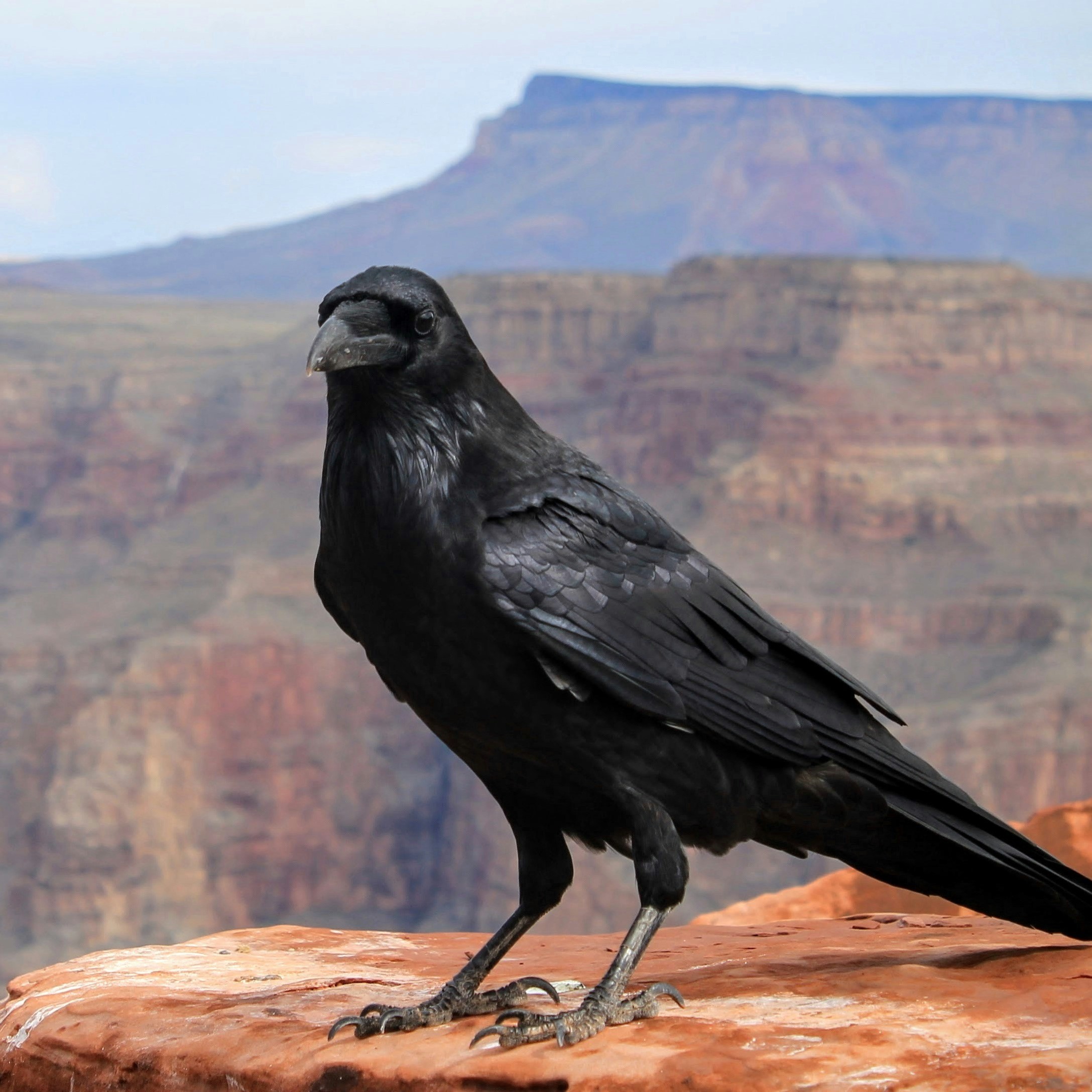
American Crow
Corvus brachyrhynchos
American crows are easily identifiable, as they're one of the only all black birds that may visit your yard. Don't confuse them with the common grackle, which has an iridescent purple head.
While crows usually don't visit feeders, a ground feeder with peanutes or bird friendly pet food may attract them. If you're lucky, crows may even leave you gifts!
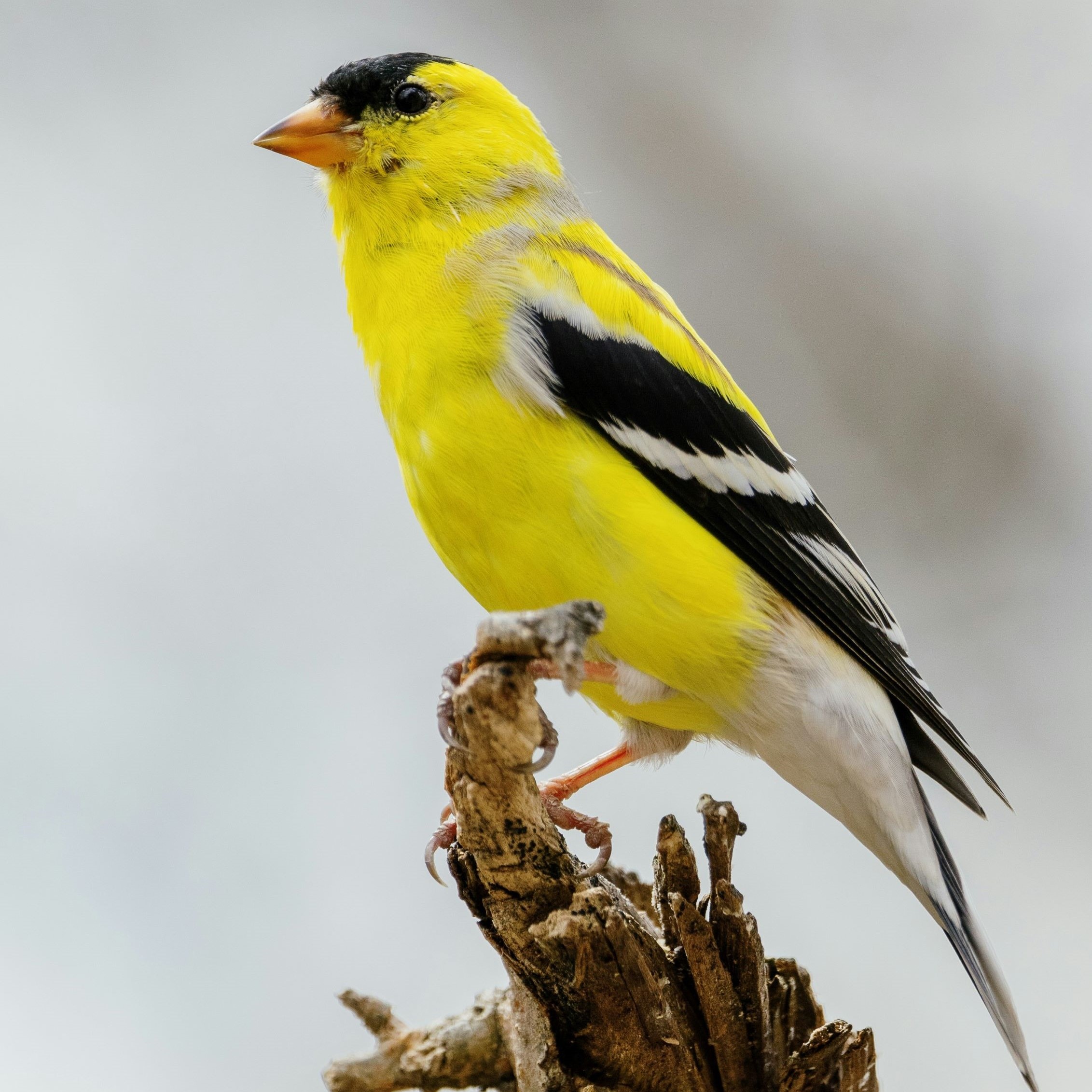
American Goldfinch
Spinus tristis
Males are bright yellow with a prominent black forehead. Their wings are black with white bars. Females are a duller yellow and don't have black on their forehead. During fall, these birds may appear darker as they molt their feathers.
Use a tube or sock feeder with nyjer to attract them to your yard!
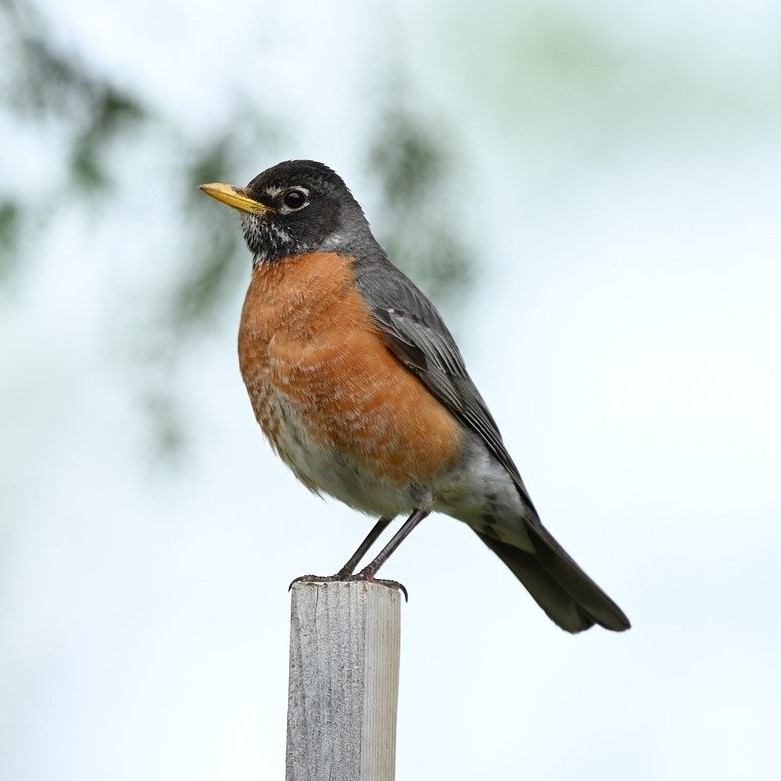
American Robin
Turdus migratorius
Look for a bright reddish orange belly, dark head, circles around the eyes, and a white rump.
While Robins aren't common feeder birds, they'll visit yards with ground feeders that have mealworms.
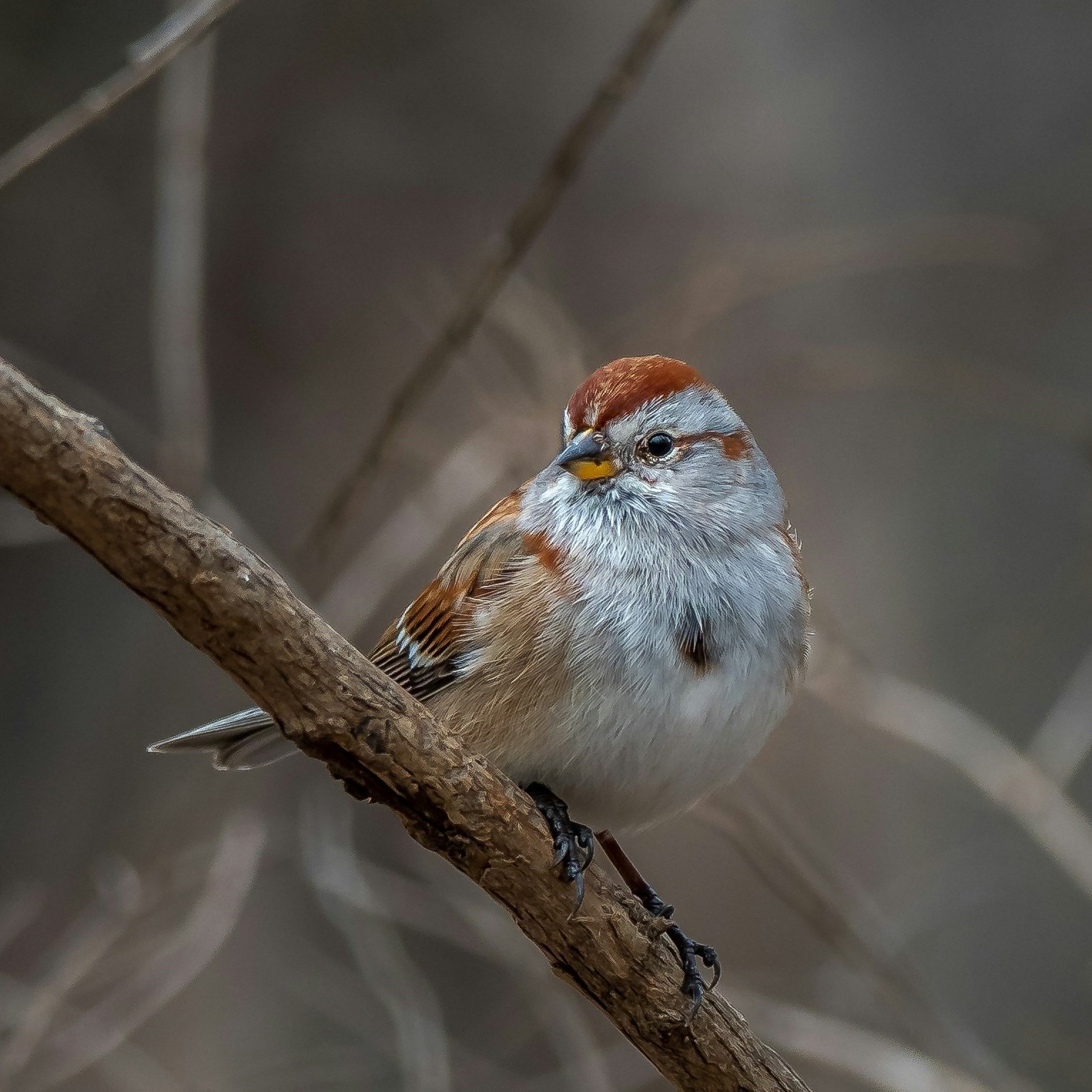
American Tree Sparrow
Spizelloides arborea
These birds can be a bit difficult to find. Keep an eye out for a rusty red cap and eye line on their gray head. They also have brownish red streaks on their back. Finally, if you see a dark smudge on their chest, you might have spotted one!
These birds will eat from any feeder, but a hopper feeder is best. Any basic seed mix will attract these birds. They particularly like millet and sunflower chips!
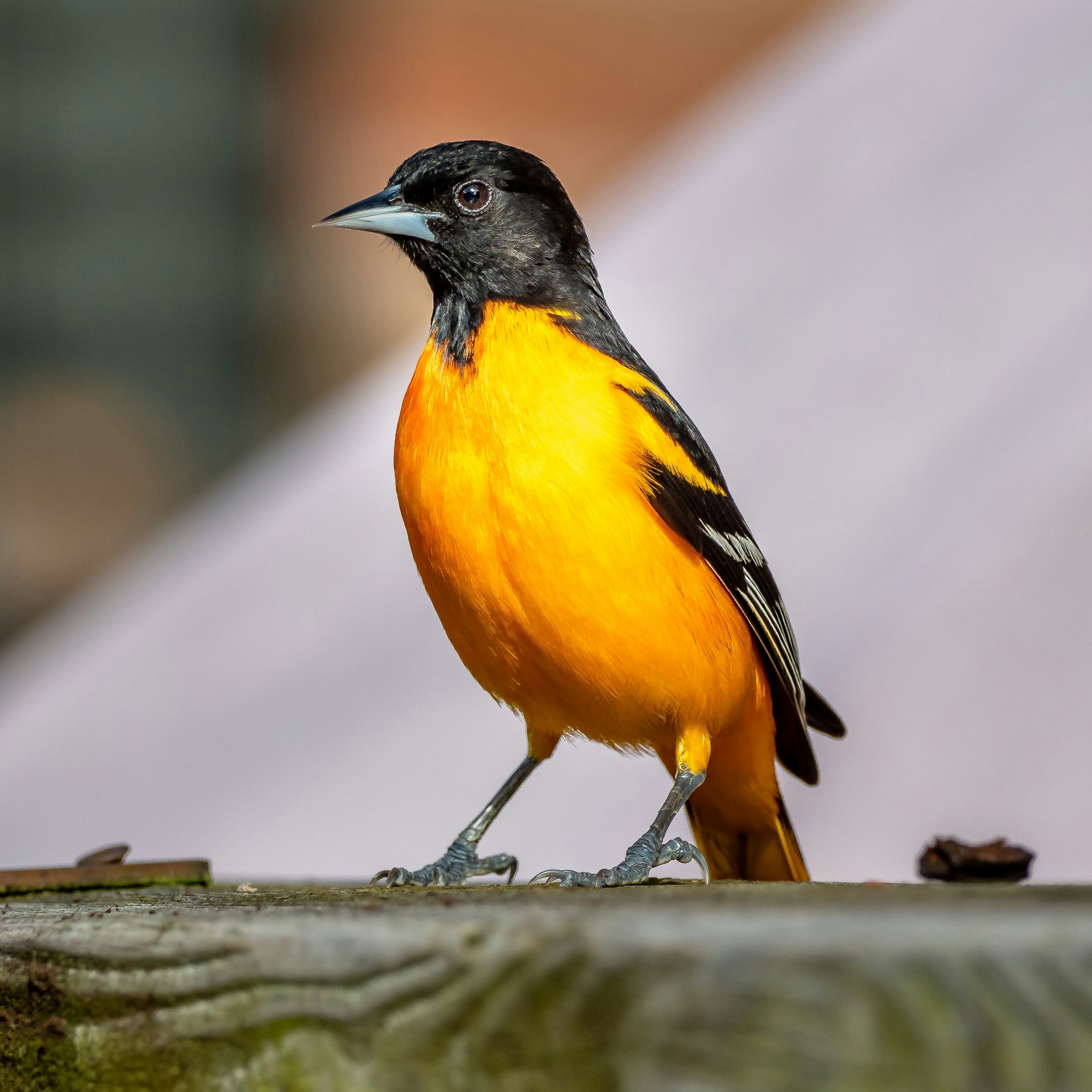
Baltimore Oriole
Icterus galbula
Male Baltimore Orioles are a striking orange color with a black back. Females are duller and look more yellowish-gray.
To attract orioles, offer fresh fruit or grape jelly via a nectar feeder. They'll also eat mealworms at ground feeders during their breeding season, which is April through May!
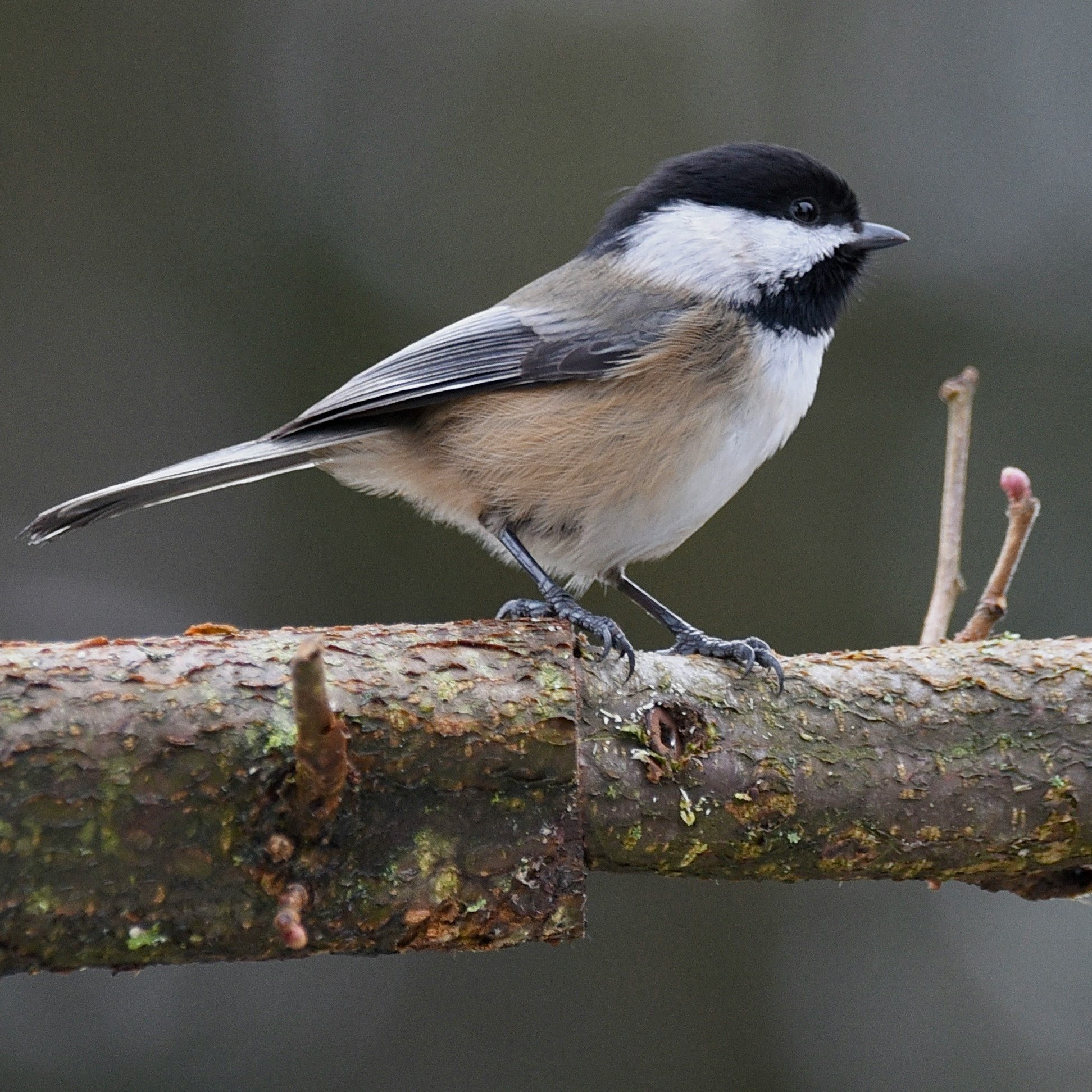
Black-capped Chickadee
Poecile atricapillus
Small birds with a black hat and black chin. Their backs are gray and their bellies are white with a tint of red on the sides.
They'll eat nyjer from a tube or sock feeder, as well as sunflower chips from a hopper feeder.
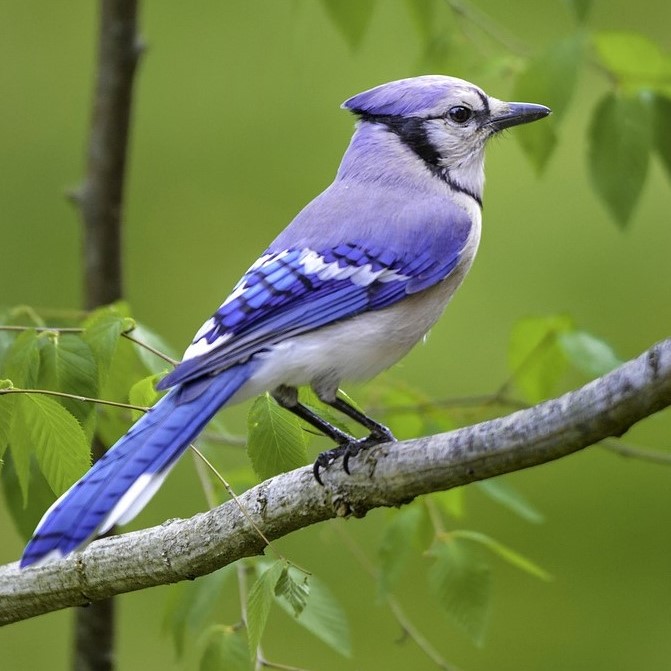
Blue Jay
Cyanocitta cristata
Large in size (around 11 inches), they’re a striking blue color with white spots on their wings and tail. Females are smaller, and a duller shade of blue.
They prefer nuts, such as acorns and peanuts. Try using a peanut feeder to attract them! However, they’ll also eat sunflower seeds, safflower seeds, cracked corn, and suet.
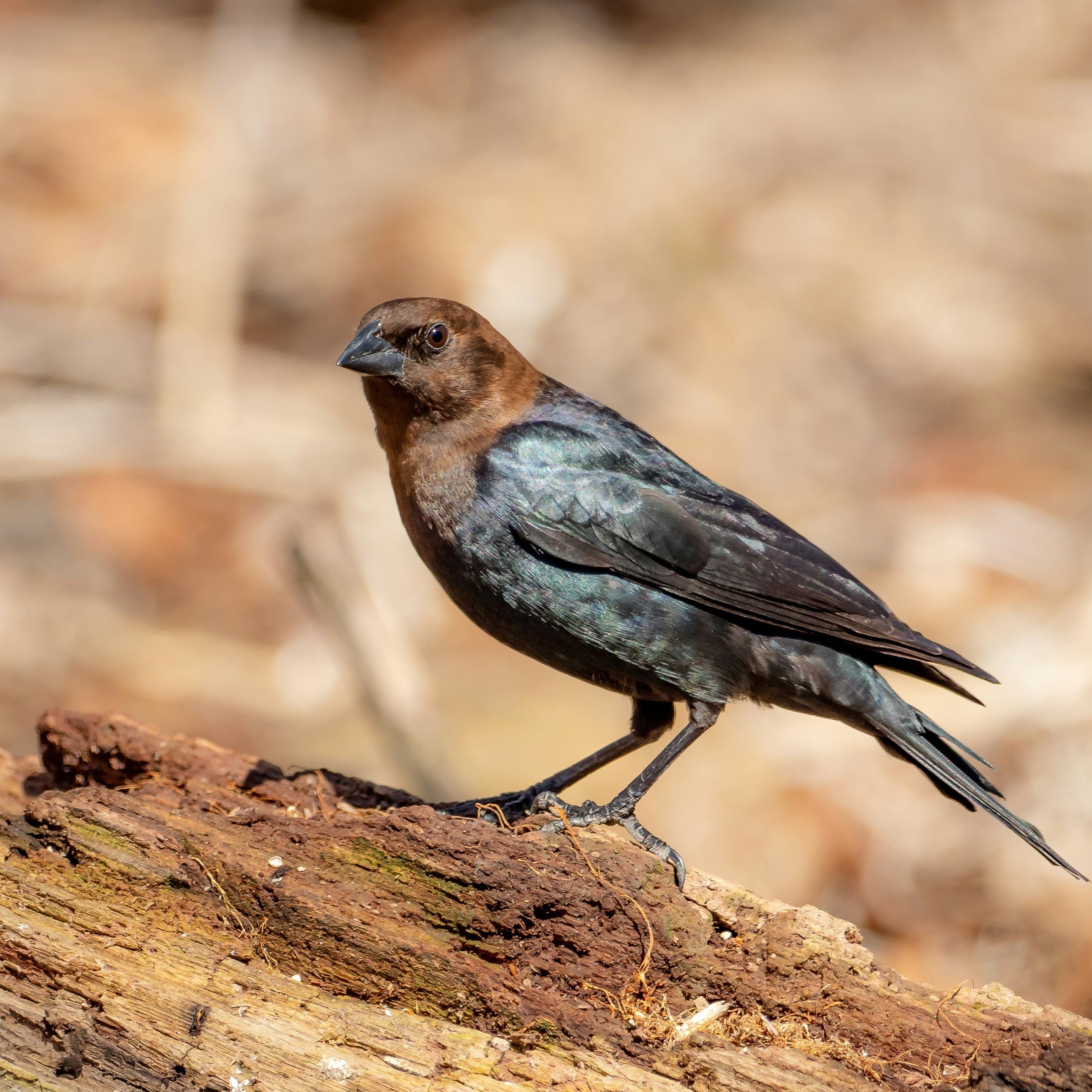
Brown-headed Cowbird
Molothrus ater
These birds are bit larger than finches in sparrows. Males have a black body and brown head, making them particularly distinctive. Females can be a bit harder to identify as they’re plain brownish gray birds with streaking on their belly. These birds are parasitic, meaning they lay their eggs in other bird’s nests to be raised by someone else!
These birds prefer platform feeders filled with a mix of seeds such as black oil sunflower seeds, cracked corn, peanut hearts, and millet.
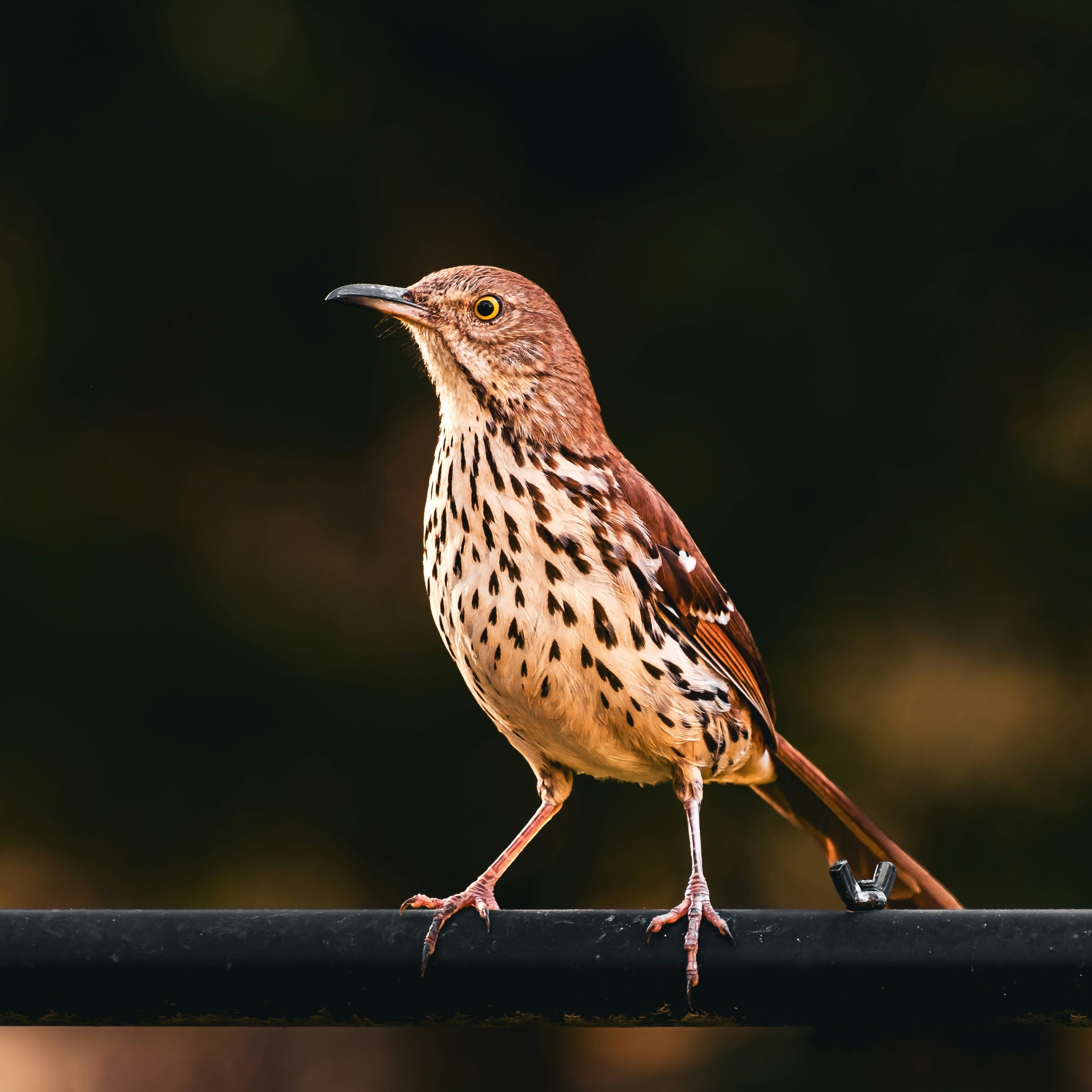
Brown Thrasher
Toxostoma rufum
These birds are fairly large, making them hard to miss. They have a white belly with dark brown streaking and bright yellow eyes.
These birds won’t often visit feeders, but they may come to a ground feeder if there’s berries or a good seed mix.
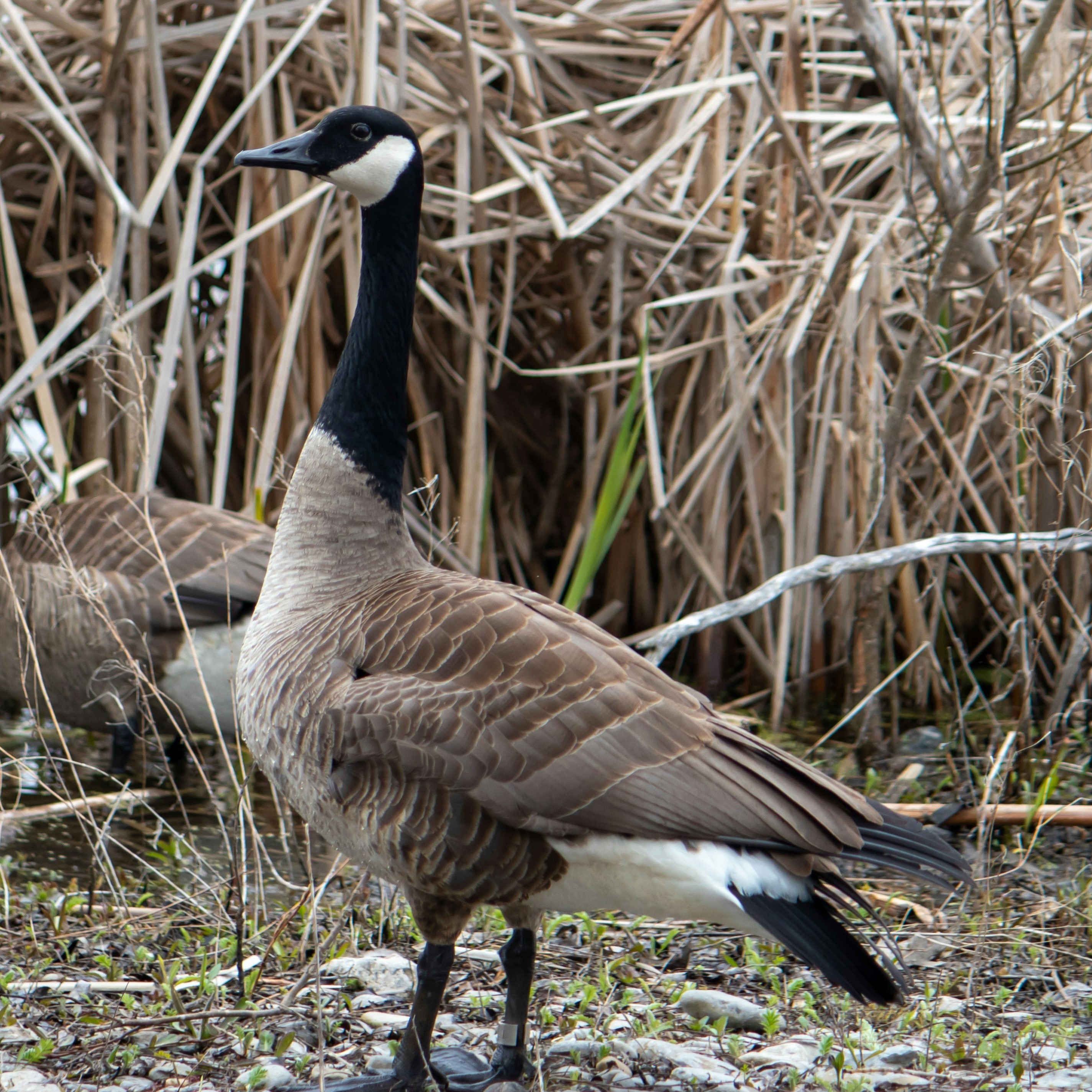
Canada Goose
Branta canadensis
These easily identifiable birds won’t be hard to miss. In fact, if they’re in your backyard you probably already know what they are. Look for their long black necks and white chinstrap.
While not necessarily feeder birds, they may be present in your backyard if you live near water. You can make your yard more appealing for them by building a large nest platform to attract a breeding pair!
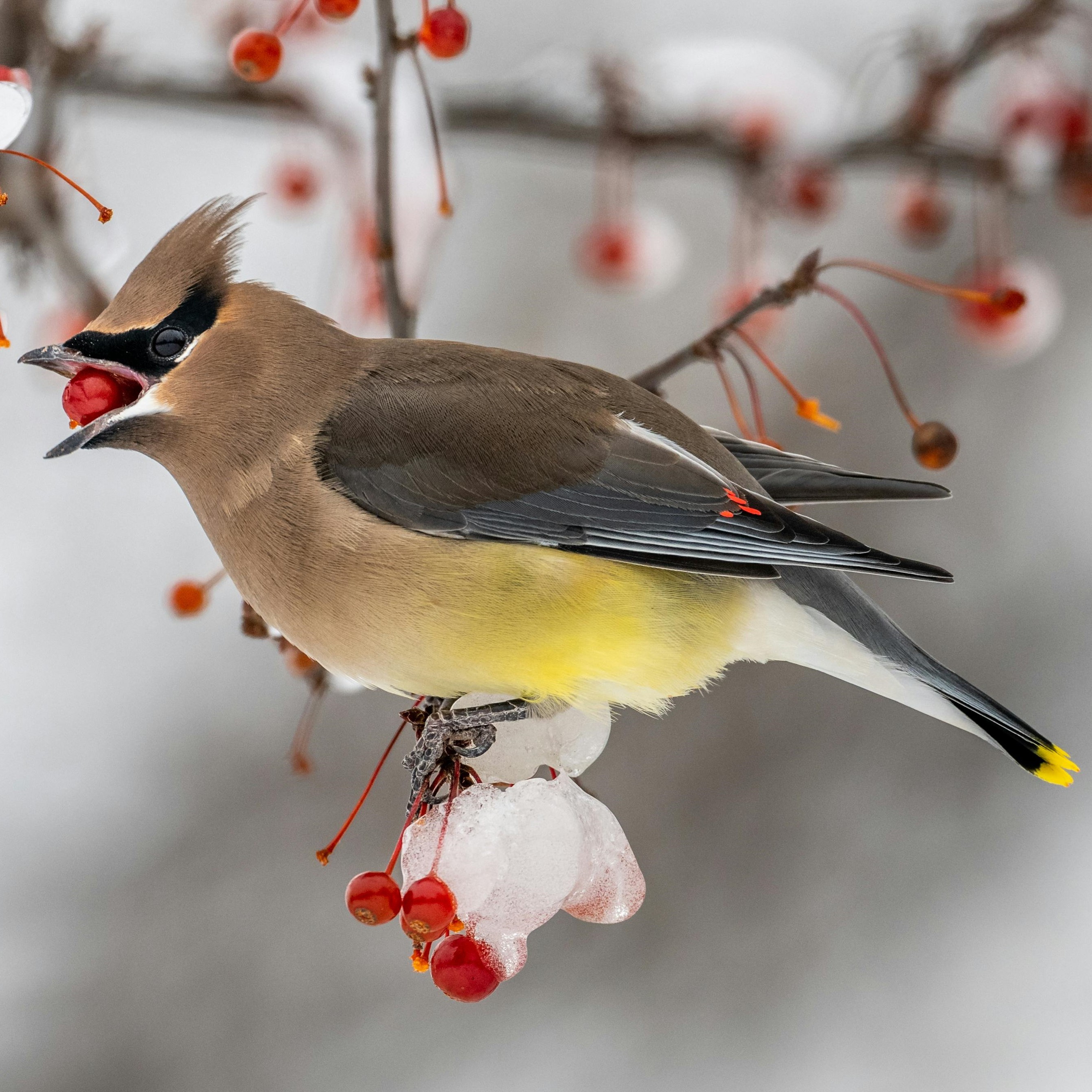
Cedar Waxwing
Bombycilla cedrorum
You can easily recognize a Cedar waxwing by their pointed crest, black mask, and golden brownish-red coloring. They take on a smooth and sleek appearance.
Not a common feeder bird. However, you can attract them by offering some berries on a platform feeder.
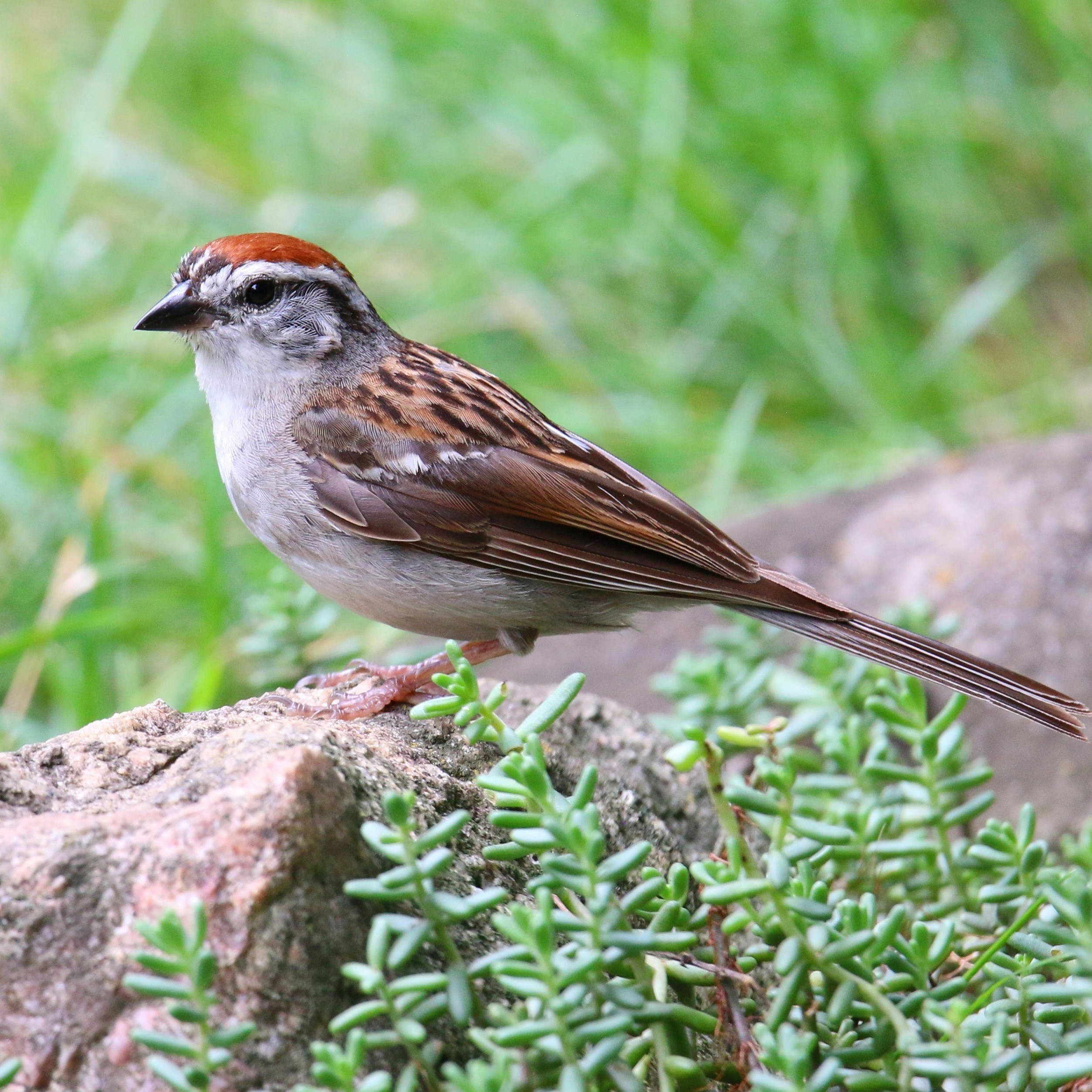
Chipping Sparrow
Spizella passerina
You can identify these birds by looking for the rusty colored spot on their head and long black line through their eyes. Also look out for their light brown wings with black stripes. Younger Chipping Sparrows may appear more dull and brown.
Use a hopper feeder to attract these birds. They’re not very picky and will eat sunflower seeds, nyjer, or any finch mix.
Common Yellowthroat
Molothrus ater
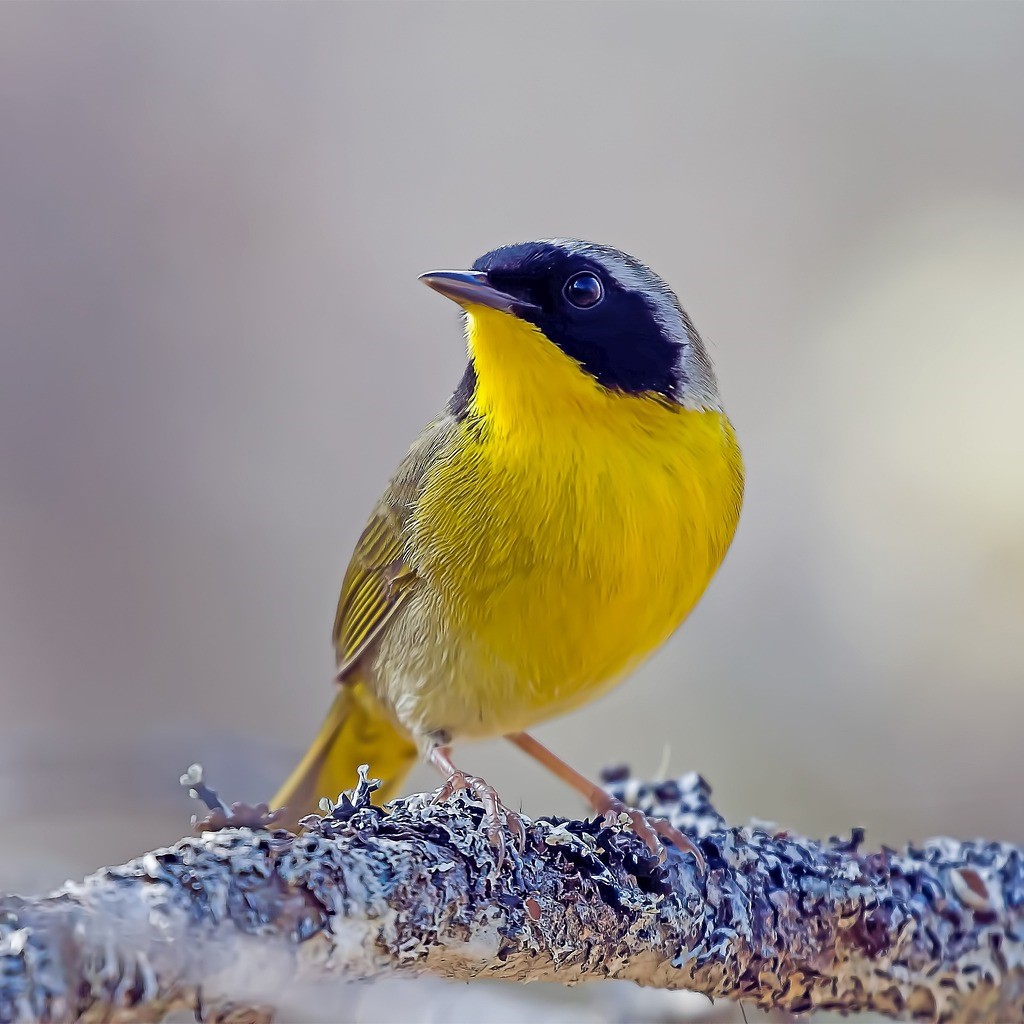
Male Common Yellowthroats have a yellow belly, with a black mask around their eyes. Above the mask is a small white stripe. Females will also have a yellow belly, but will have a brown or olive colored back. Females also lack the black mask and white stripe.
These are uncommon backyard birds, but if you live near a marsh you might spot them. They won't frequent feeders, but if you supply them with water you might catch them taking a bath!
Common Grackle
Quiscalus quiscula
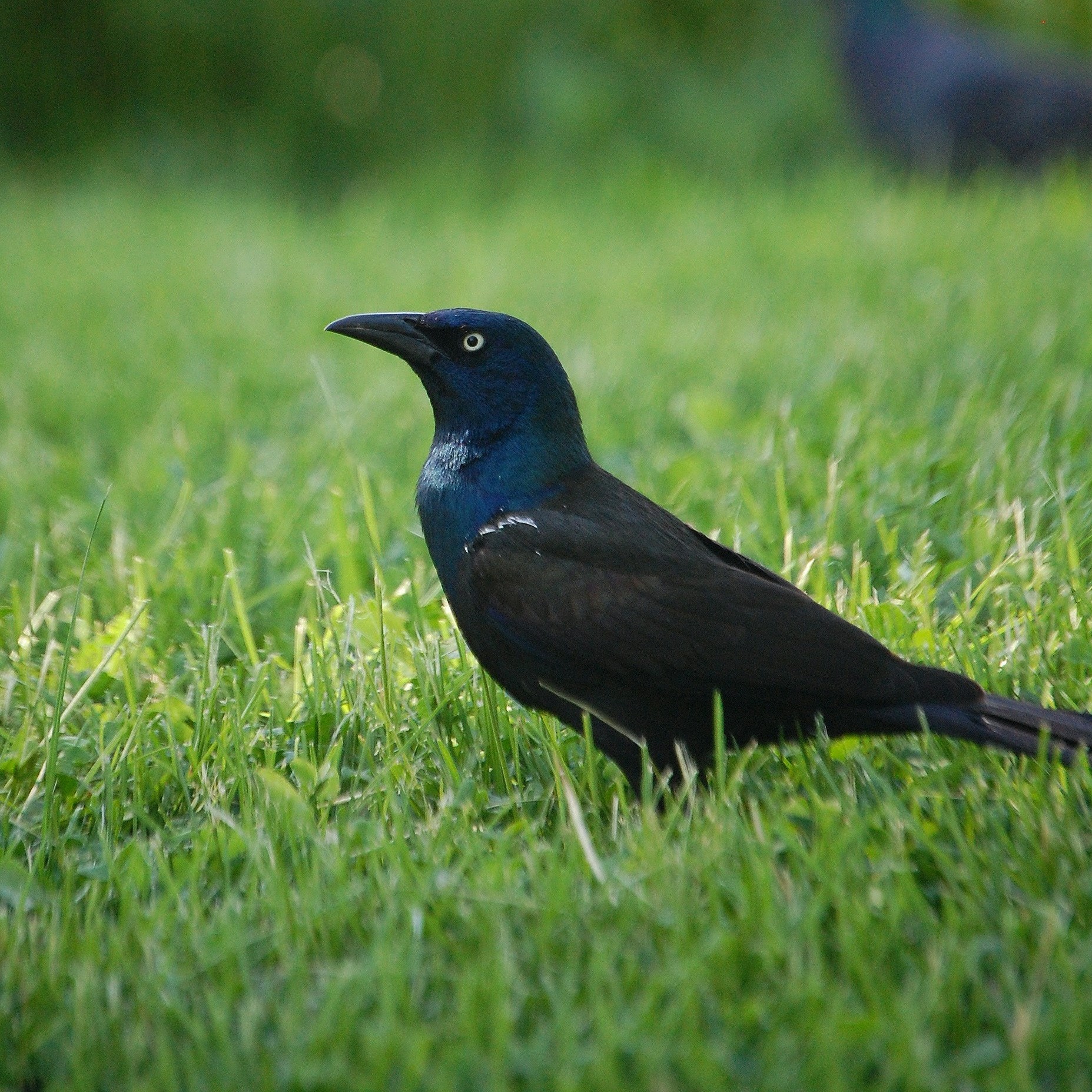
These are larger birds that appear almost completely black from a distance. However, up close you can identify them by their purple iridescent head. They have large, slightly curved beaks
Because of their large size, these birds would prefer platform feeders, but they’ll attempt to eat from any feeder. They’re also not picky! Fill your feeders with black oil sunflower seeds, cracked corn, safflower, or peanuts and you’ll be sure to spot them if they’re near!
Downy Woodpecker
Dryobates pubescens
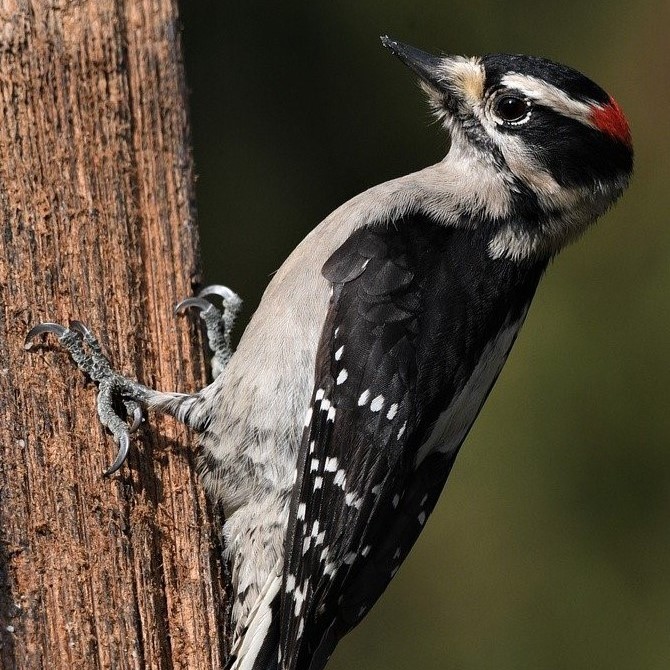
Minnesota’s smallest woodpecker (about 6 inches long) is easily recognizable by its black back with white spots along its wings. Males have a small red spot on the back of their head that is missing in females. Be careful not to mix them up with their much larger cousin (about 9 inches long), the Hairy Woodpecker, which looks strikingly similar. Downy Woodpeckers have a smaller beak, whereas Hairy Woodpeckers have a beak the size of their head!
These birds enjoy suet feeders, peanut feeders, and log feeders. Make sure the suet you buy has insect, as that’s their favorite food!
European Starling
Sturnus vulgaris
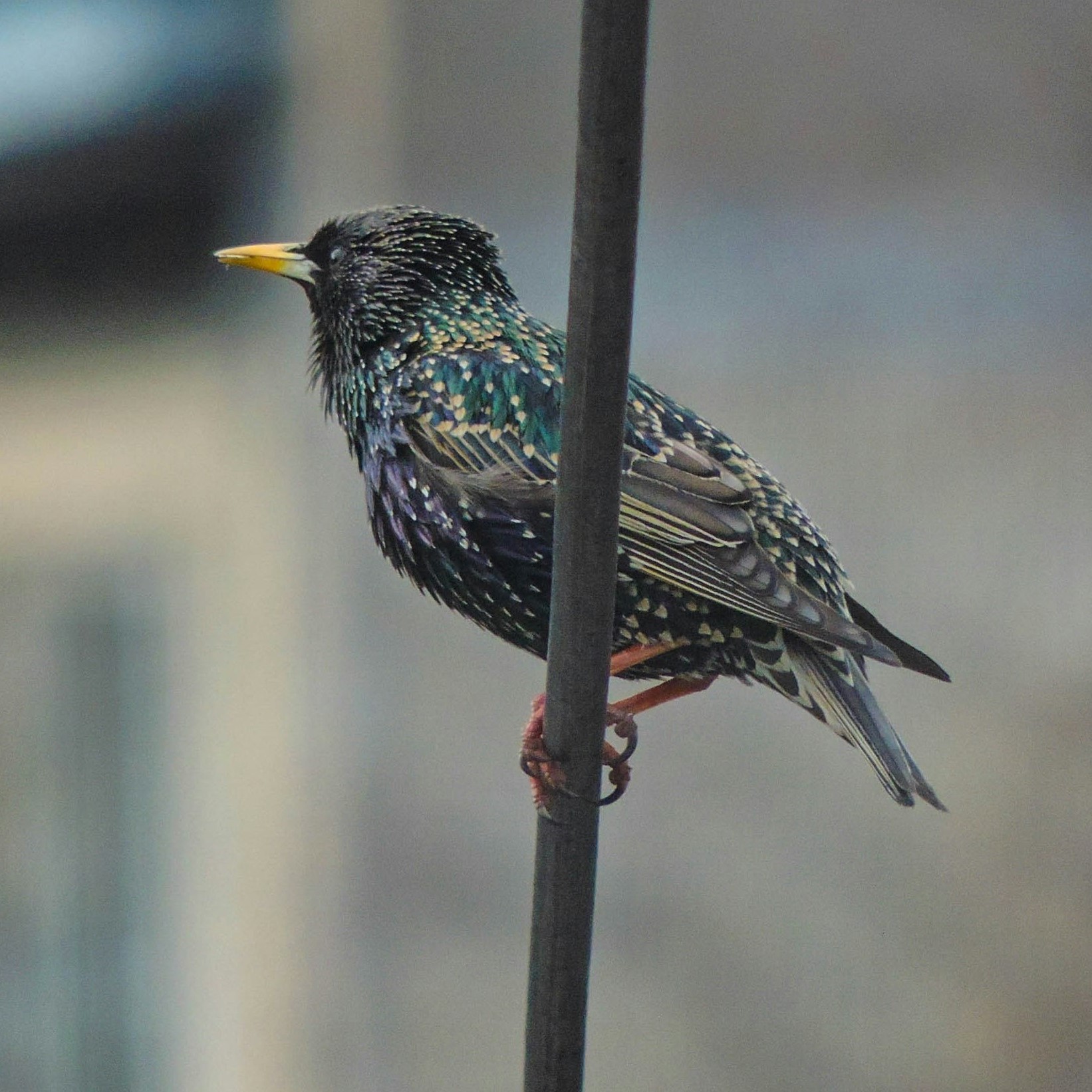
European Starlings are almost iridescent! They’re all black with a slight purple shimmer, and white spots all along their body.
These birds will eat from all types of feeders and aren’t picky when it comes to food. Any bird seed mix will be sure to attract them!
Fun Fact: These birds are not native to the U.S. They were introduced by European settlers for their songs! However, they’ve become naturalized over hundreds of years.
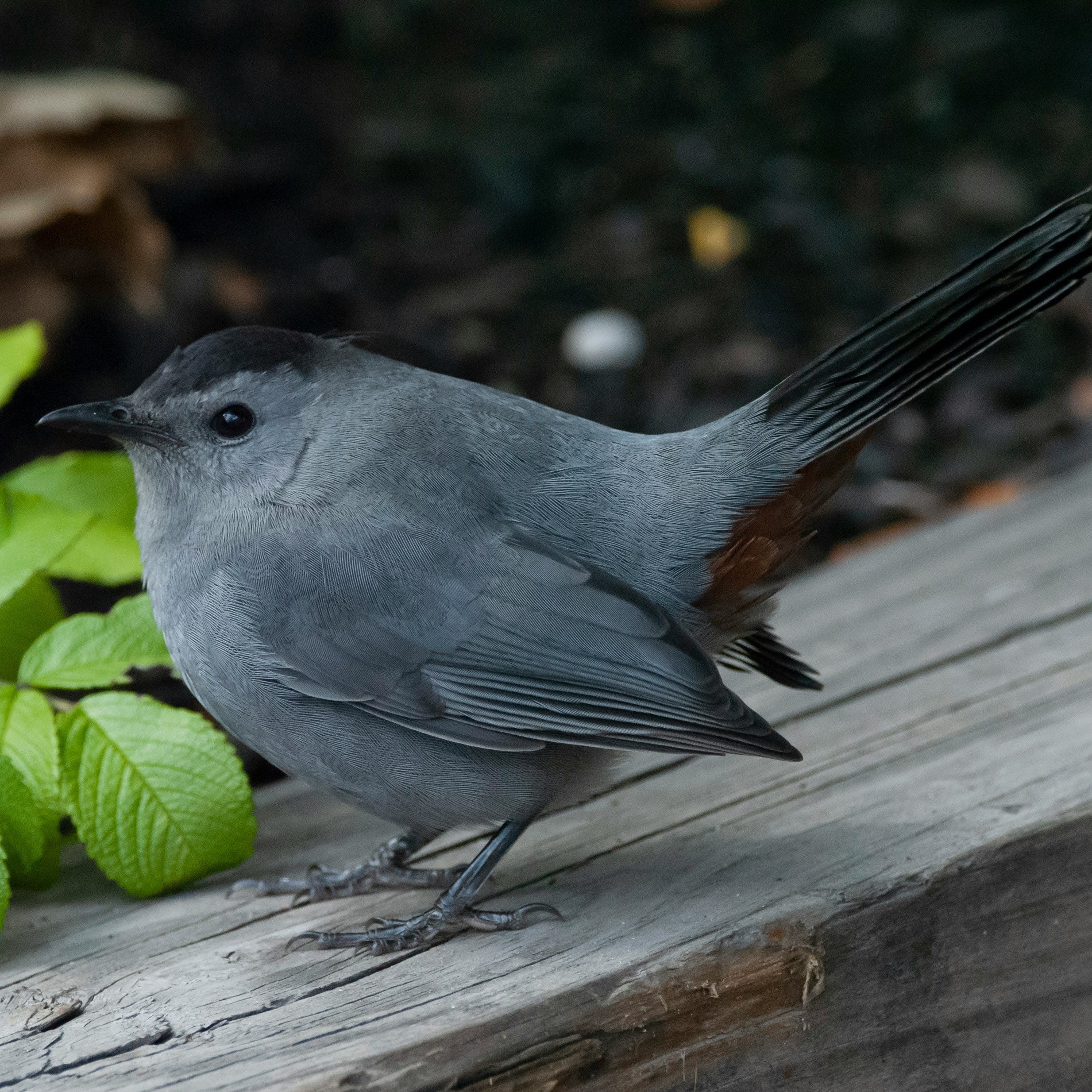
Gray Catbird
Dumetella carolinensis
These birds appear almost entirely gray, but with a closer look you’ll notice a small black spot on their head and a black tail.
Catbirds aren’t frequent feeder birds, but they may visit a platform feeder with some dried mealworms set out.
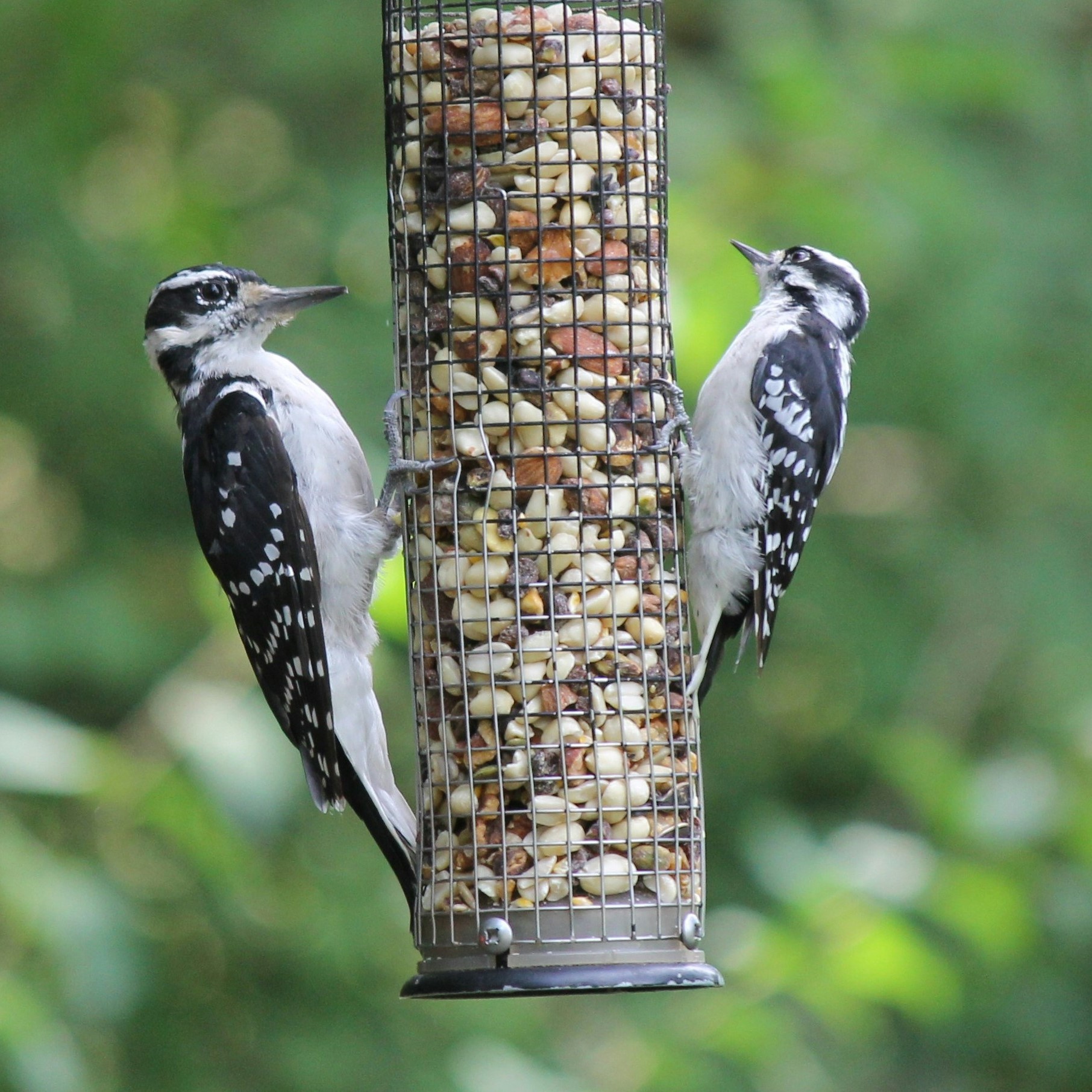
Hairy Woodpecker
Dryobates villosus
These birds look very similar to their smaller cousins, the Downy Woodpecker. However, these birds are much larger. To tell the two apart, pay attention to the beak. Hairy Woodpeckers have a beak that’s about the length of their head.
Just like Downy Woodpeckers, these birds love suet and insects. Due to their larger size, use a suet cage with a tail prop to feed these birds.
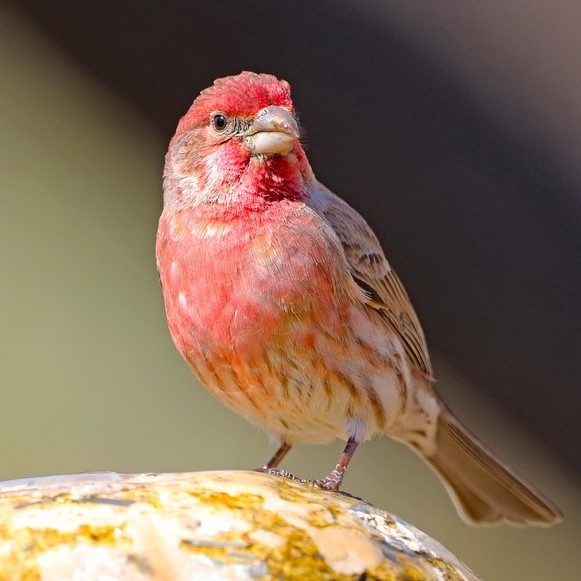
House Finch
Haemorhous mexicanus
Adult males are rosy red, but not as vibrant of red as purple finches. Their red chests fade in to white on their lower belly. Their backs are brown with streaks. Females are not red and can be harder to identify, as they’re brown with a dark streak along their eye.
Tube feeders are ideal for these birds, as finches like smaller seeds like nyjer. Although, they’ll be happy with a basic seed mix from a hopper feeder as well.
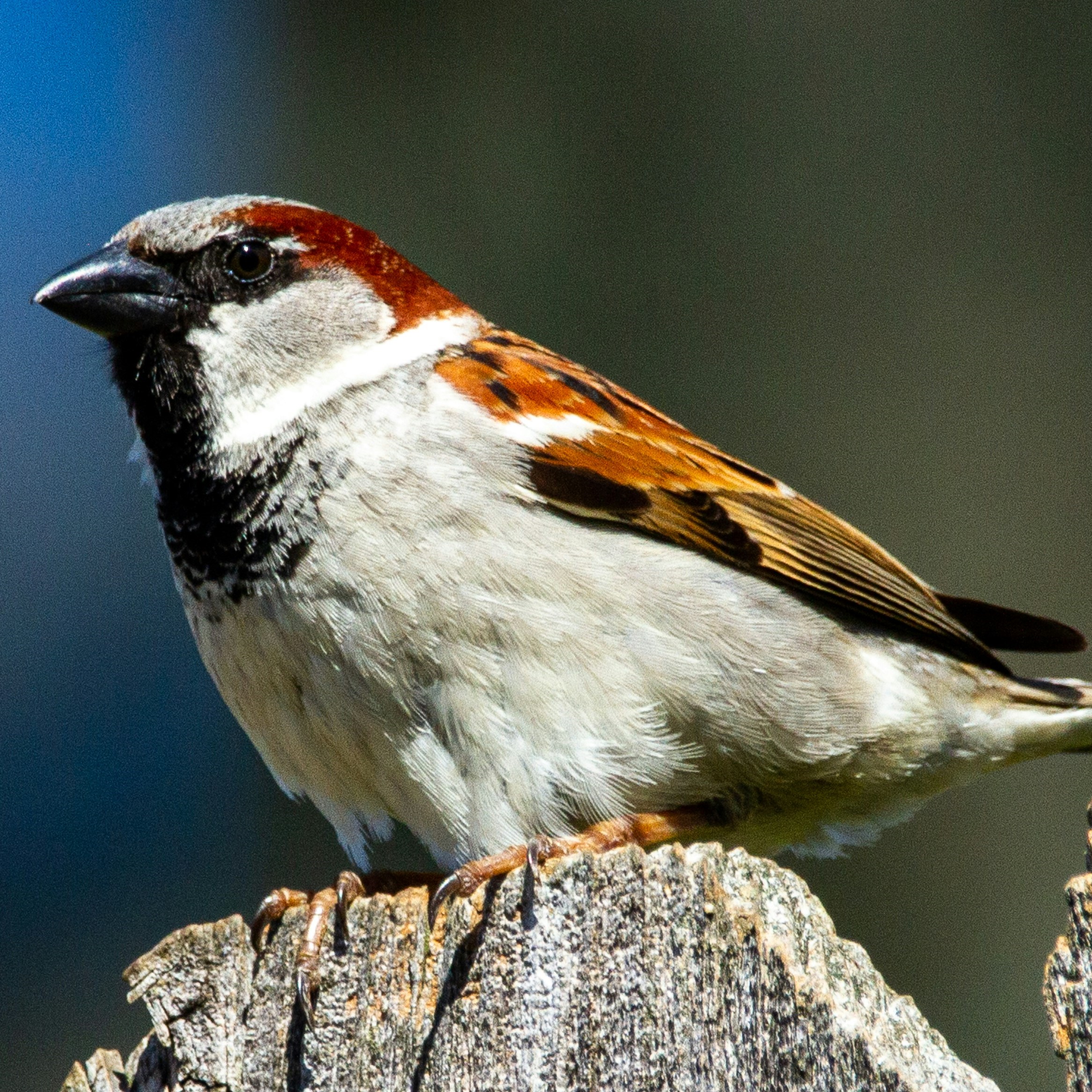
House Sparrow
Passer domesticus
If you have a feeder, you’re probably seeing House Sparrows. Males are bright brown on their back and behind their eyes. They have a gray spot on their head, and a black patch under their chin and around their eyes. Their bellies are gray. Females have a similar gray belly, but lack the black patch under their chin.
House Sparrows will eat anything from any type of feeder.
These birds are not native to the U.S. You should cater your feeders to native species. House Sparrows will come regardless. Be careful though. These birds may start coming in flocks of 20+ birds, scaring away other species!
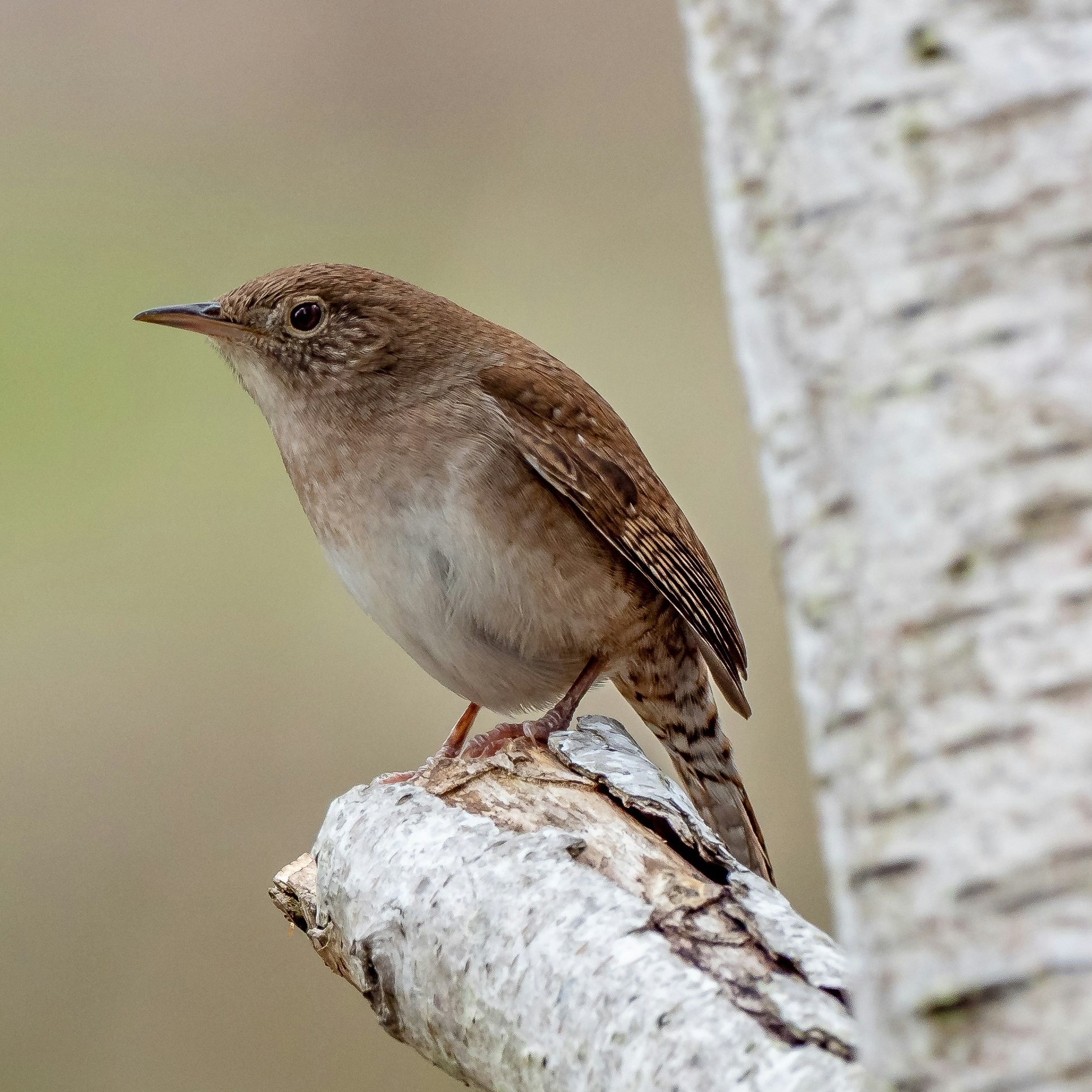
House Wren
Troglodytes aedon
House wrens don’t typically visit feeders, but if you have some tall plants nearby you might spot one! They’ll typically be holding on to the top of the plant with their tail flicked up. Look out for a small brown bird under 5” with light white markings on their tail and wings.These are also great birds to build houses for!
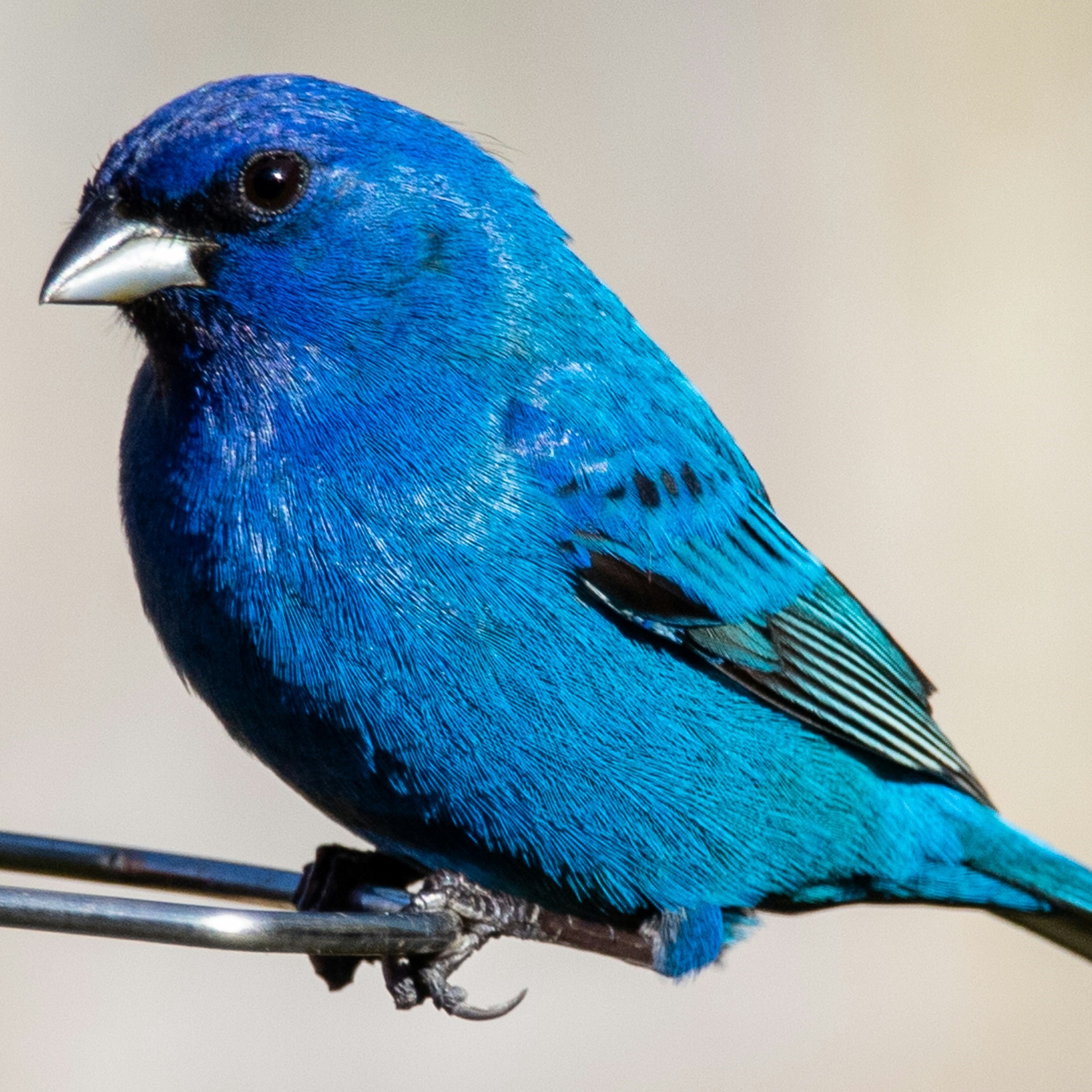
Indigo Bunting
Passerina cyanea
These birds are about the size of a sparrow, but males are a striking blue color! The tips of their wings are dark brown. Females are harder to identify because they aren’t blue, they’re brown with faint striking on the chest. Females may have a touch of blue on their wings and tail though.
Use a tube feeder filled with nyjer seeds or offer berries or insects in a platform feeder to attract these beautiful birds!
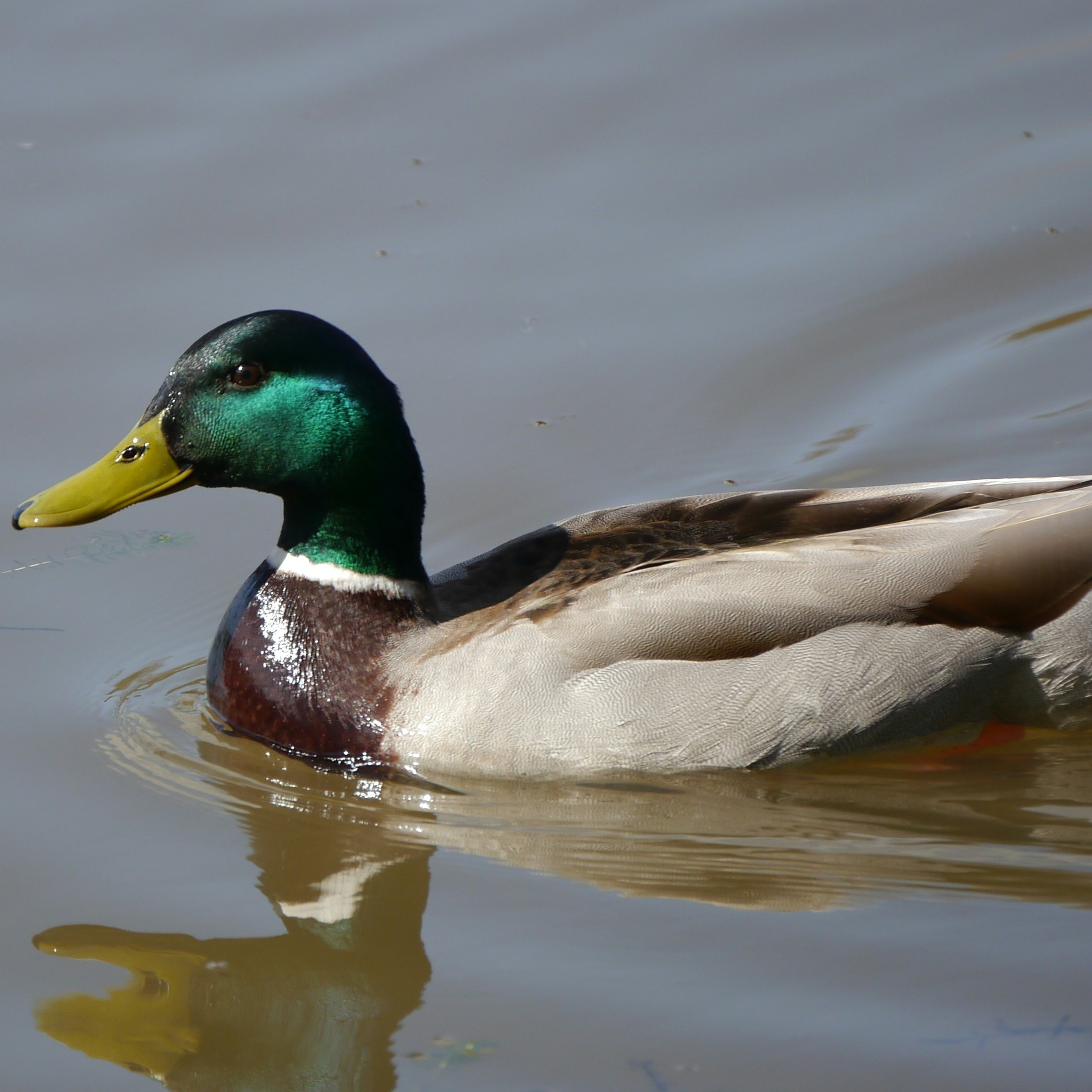
Mallard
Anas platyrhynchos
If you live near water these birds may visit your yard. Males are easily identified by their iridescent-green head and yellow bill. Also look for the blue patch on their wings. Females lack the flashy colors and are brown with a brownish orange bill. Thankfully, males and females will usually travel together, making females easier to identify.
Try feeding these birds cracked corn or vegetables in a ground feeder. Do not feed them bread! You can also offer them a water bowl to help them eat their food.
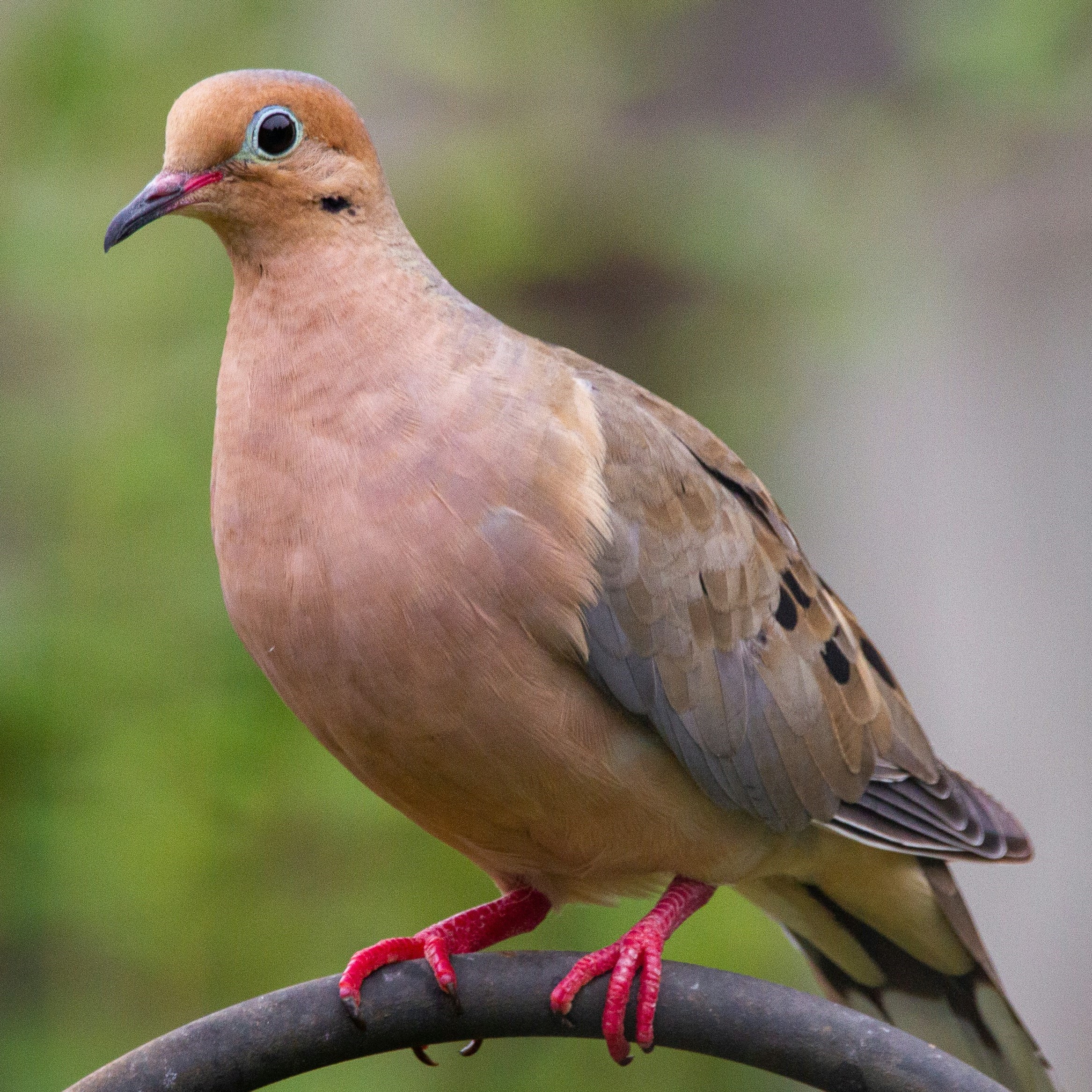
Mourning Dove
Zenaida macroura
These are larger, plump birds. They look similar to pigeons in regards to body shape, but are often lighter in color with black spots on their wings. Keep an out for them on telephone wires around your neighborhood.
These birds forage for food on the ground. You can try scattering seeds, particularly millet, around your yard to attract them. Otherwise, use a ground feeder.
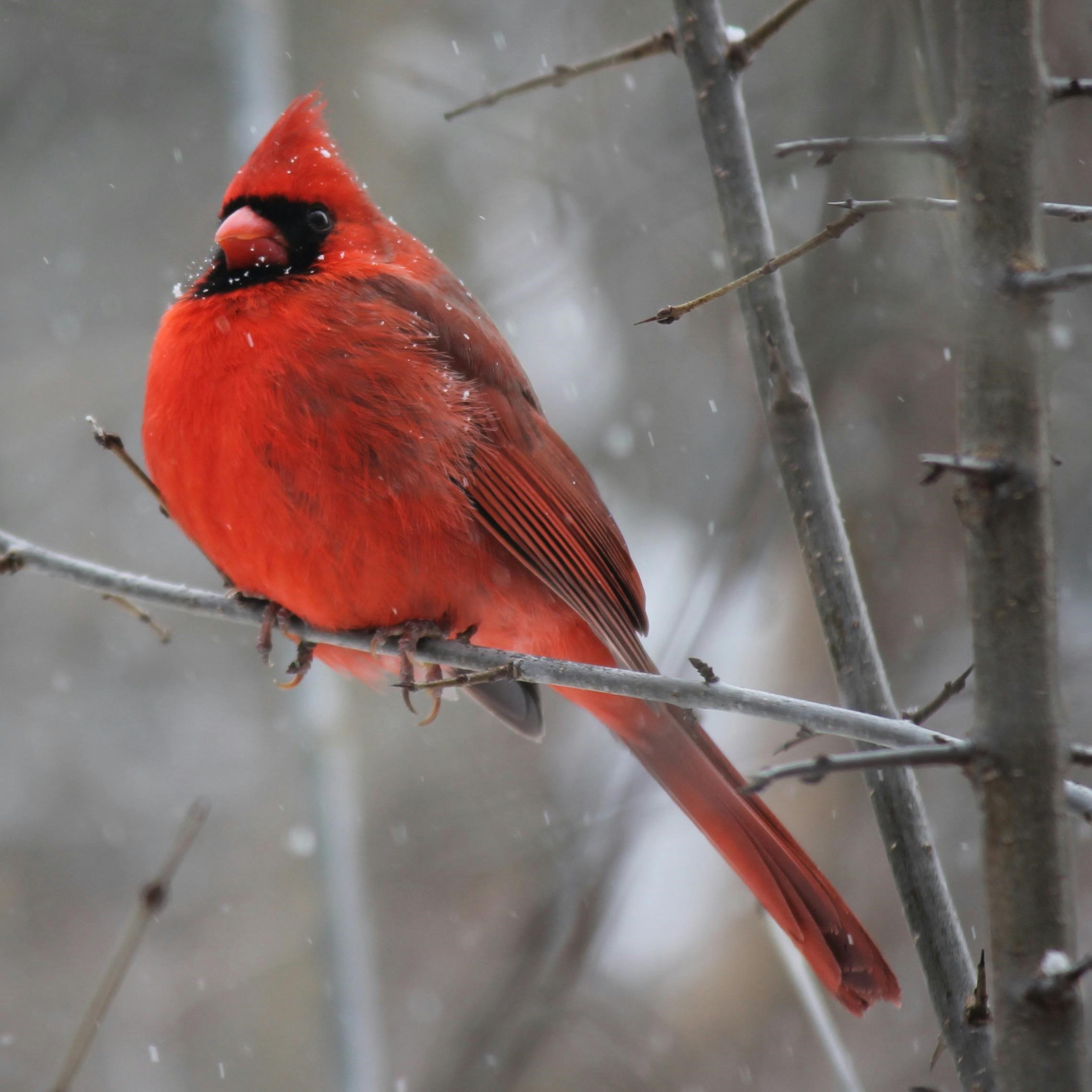
Northern Cardinal
Cardinalis cardinalis
Northern Cardinals are one of the most recognizable feeder birds. With their bright red beaks and crested heads, they look like no other bird you’ll see. Males are a vibrant red color, whereas females are gray with touches of red around their wings, tail, and crest.
Cardinals prefer hopper feeders and platform feeders due to their larger size. Try feeding them a sunflower mix or something specific to cardinals. They’re not particularly picky when it comes to food!
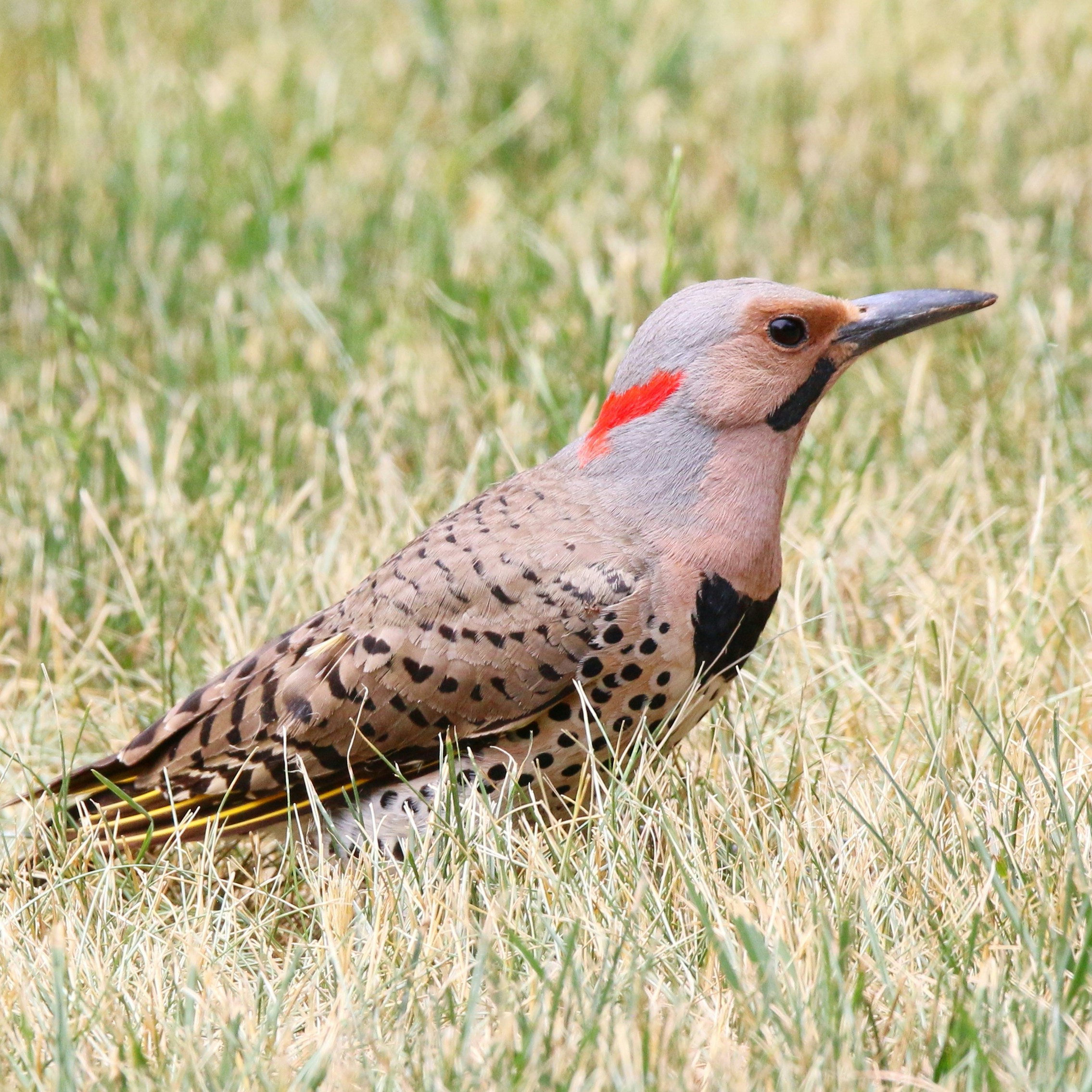
Northern Flicker
Colaptes auratus
Flickers are a larger type of woodpecker with a distinct look from other woodpeckers. They are grayish brown with a white spot on their rump. Under their wings and tail, they have red coloring or yellow coloring depending on where they’ve migrated from. Some have a dark black spot by their beak, while others have a red spot. To help identify them from other woodpeckers, look how they’re positioned. If they’re sitting on top of branches (rather than sideways on a tree trunk), or on the ground, it might be a Flicker.
These birds are not common feeder birds, but you might find them in your trees or foraging on the ground. Consider putting up a nesting box if you’d like to see them more in your yard!
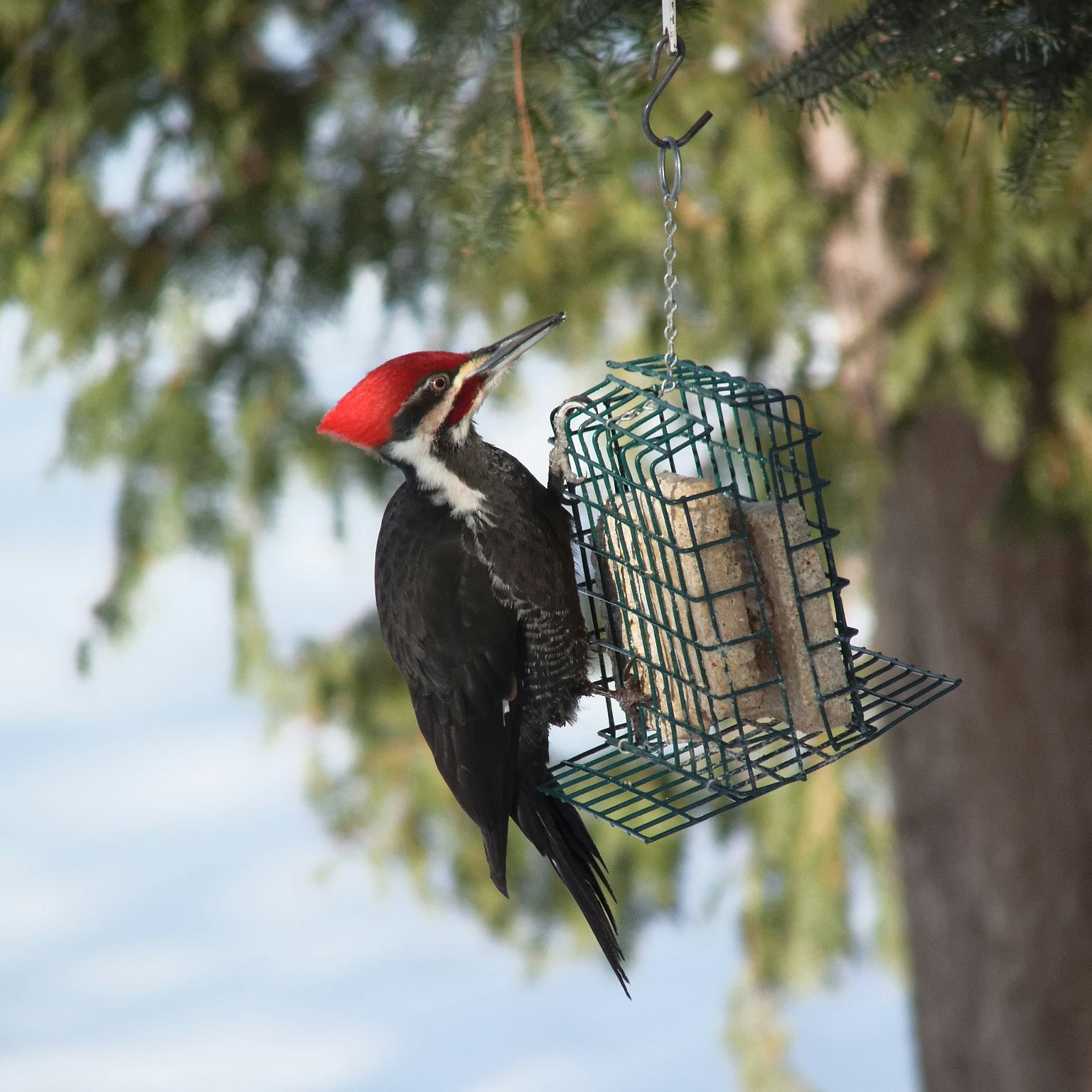
Pileated Woodpecker
Dryocopus pileatus
The largest woodpecker, and maybe even the most striking, this bird is easily identifiable by its sheer size and bright red crest on its black and white head. The rest of the body is black, with white under their wings.
Due to their massive size, these birds would greatly benefit from a suet cage with a tail prop to help them keep their balance as they eat. Try suet blocks with insects such as mealworms. They may also enjoy a shelled peanut feeder!
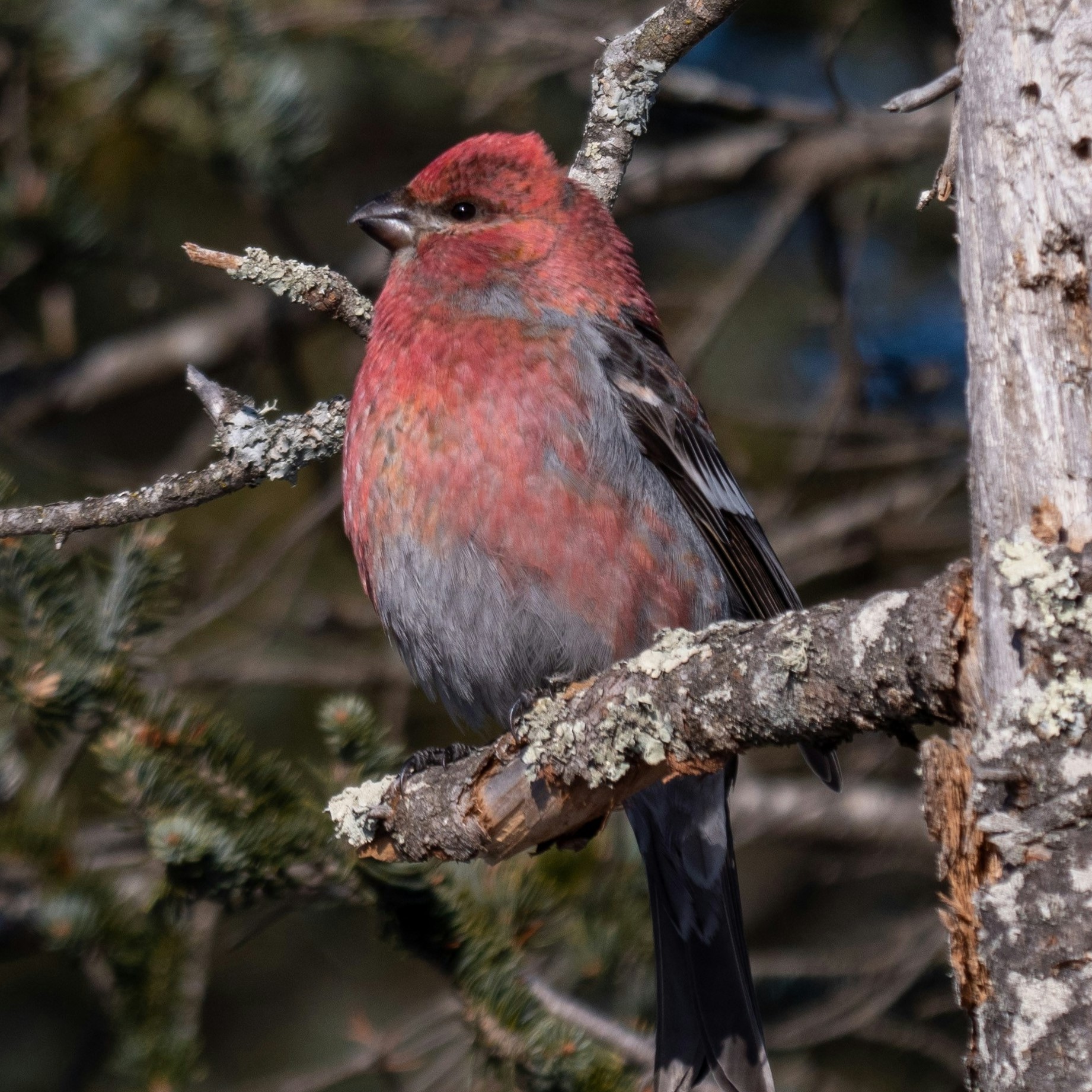
Pine Grosbeak
Pinicola enucleator
These birds are considered finches, and share a similar body shape. They look similar to House finches, in that they’re red. However, they’re much grayer around the torso and have two prominent white streaks on their wings. You can also tell them apart from House Hinches by looking at their beak, which is much stubbier. Females are grayer than males, but still have hints of yellow or orange on their head and rump.
These birds frequent feeders in winter as food becomes more scarce. They would benefit from a hopper or platform feeder due to their size, filled with black oil sunflower seeds or hulled sunflower seeds.
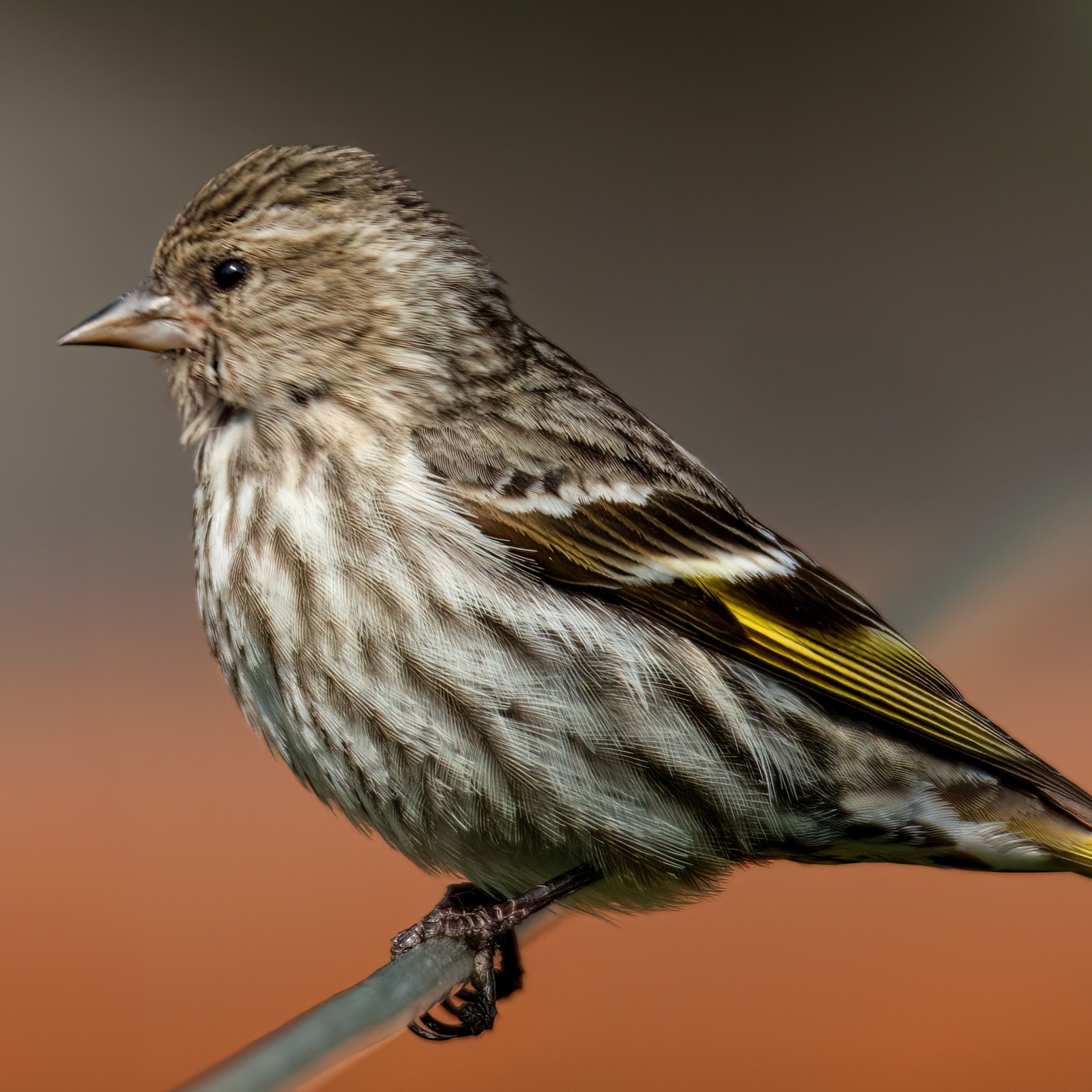
Pine Siskin
Spinus pinus
Pine siskins can be hard to identify as they’re brown birds, which look like many others. Look for a bird with a very streaky appearance, especially on the top of their head. They also have faint yellow coloring around their wings and tail.
These birds like smaller seeds like thistle and nyjer, making a tube feeder ideal for them. They’ll occasionally eat suet as well.
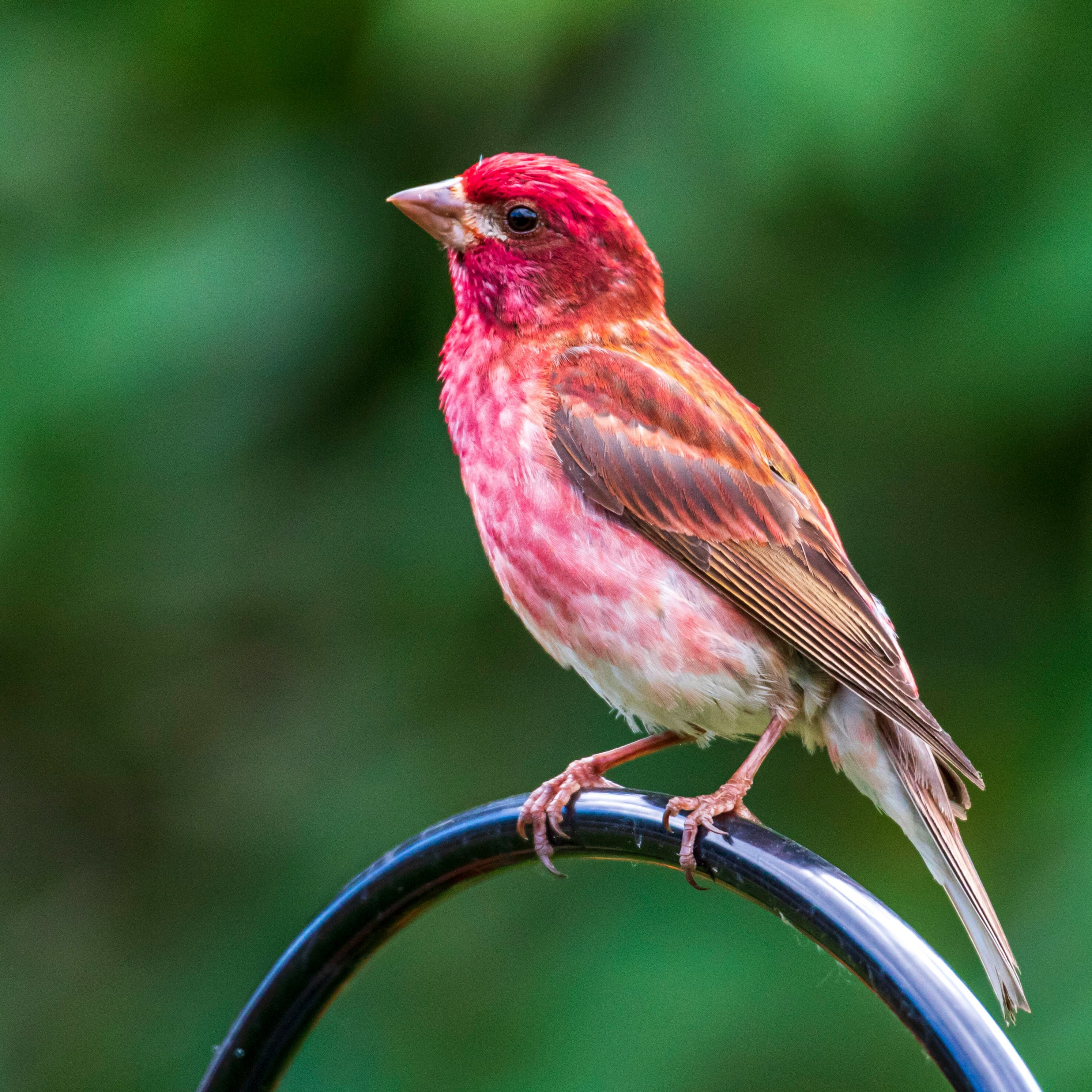
Purple Finch
Haemorhous purpureus
Purple Finches look very similar to house finches. Even master birders confuse the two sometimes. Male Purple Finches are brighter red, with a maroon streak behind their eye. Females are brown with strong facial markings, a white eye stripe, and a dark line down the side of their throat.
These birds also eat the same food as their twin counterparts, the House Finch. Use a tube feeder filled with nyjer or millet to attract them. Although they’ll visit hopper feeders as well.
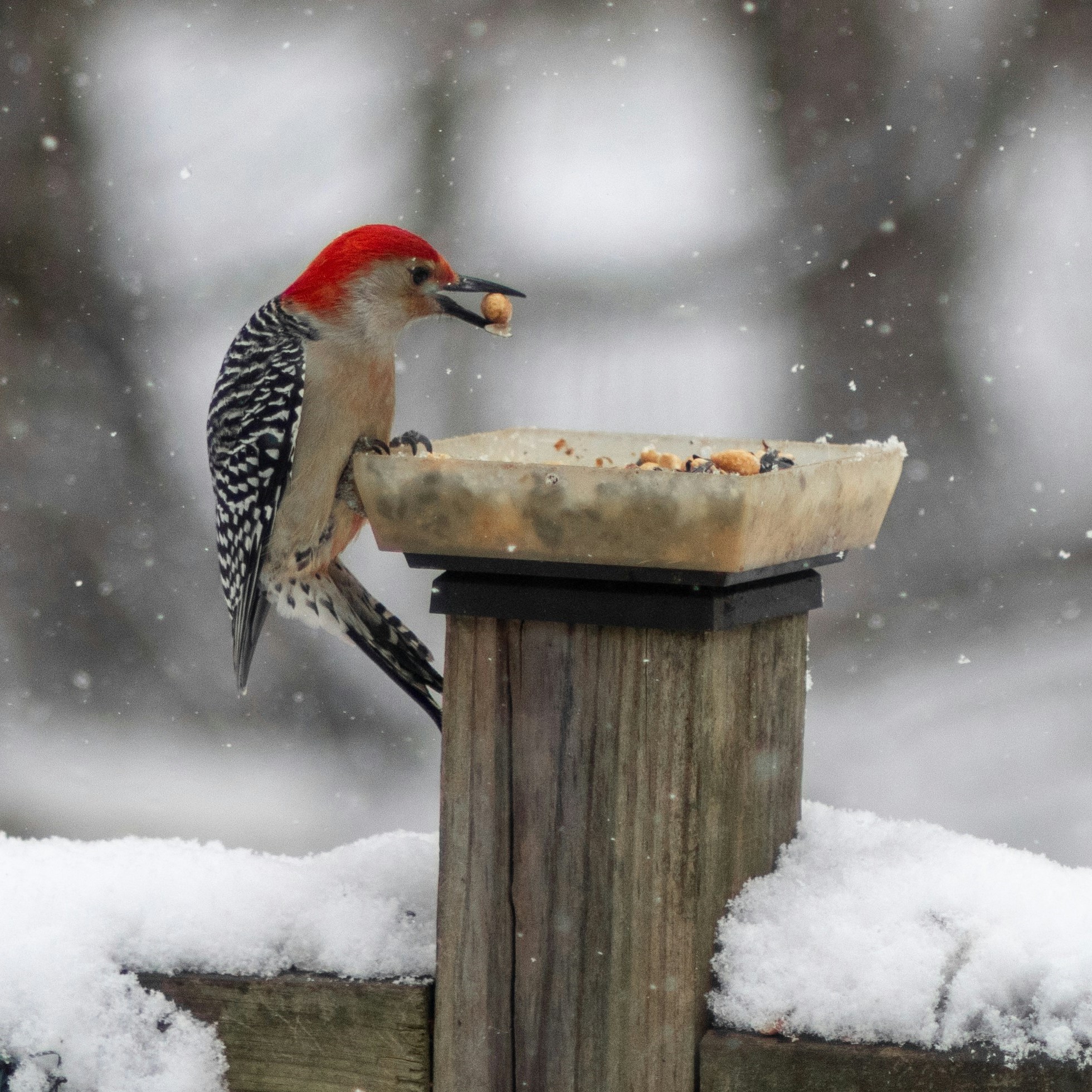
Red-bellied Woodpecker
Melanerpes carolinus
These are medium sized woodpeckers, bigger than Downy Woodpeckers but smaller than Pileated Woodpeckers. They have a white and black striped back and a noticeable red stripe on their head. Their chests are white. In flight, you may notice their wings have a white tip.
Like other woodpeckers, these birds enjoy suet in a suet cage with or without a tail prop. They’ll also frequent peanut feeders filled with shelled peanuts.
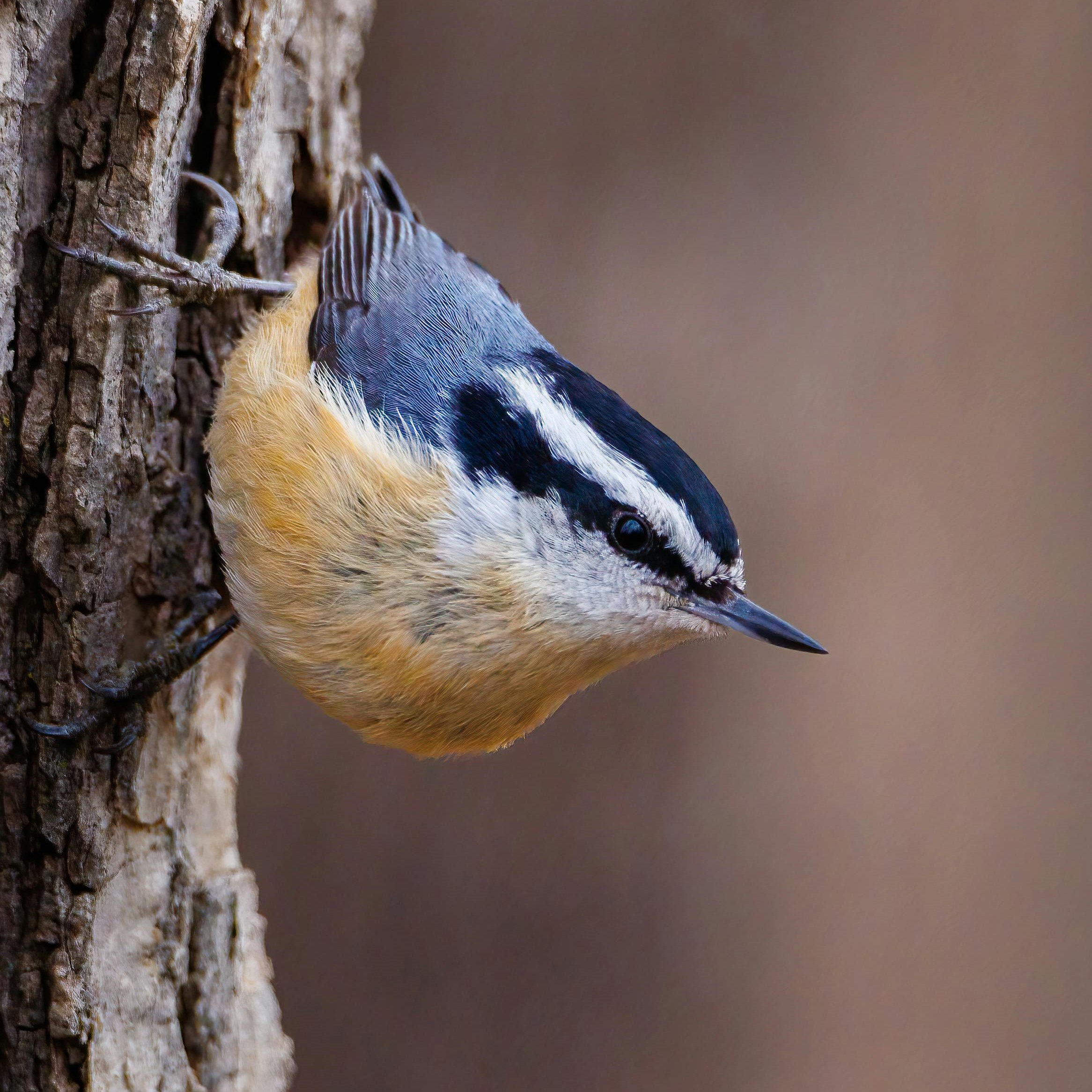
Red-breasted Nuthatch
Sitta canadensis
These birds are less common to see at feeders than White-breasted Nuthatches. Their backs are bluish gray and their heads have a white cap, a white stripe just above the eye, and a black stripe directly behind the eye. Males have a bright orange chest, whereas females chests are a bit more faded. The orange chest is what sets them apart from White-breasted nuthatches.
These birds will eat from suet cages, hopper feeders, and peanut feeders. Try a suet mix that includes insects!
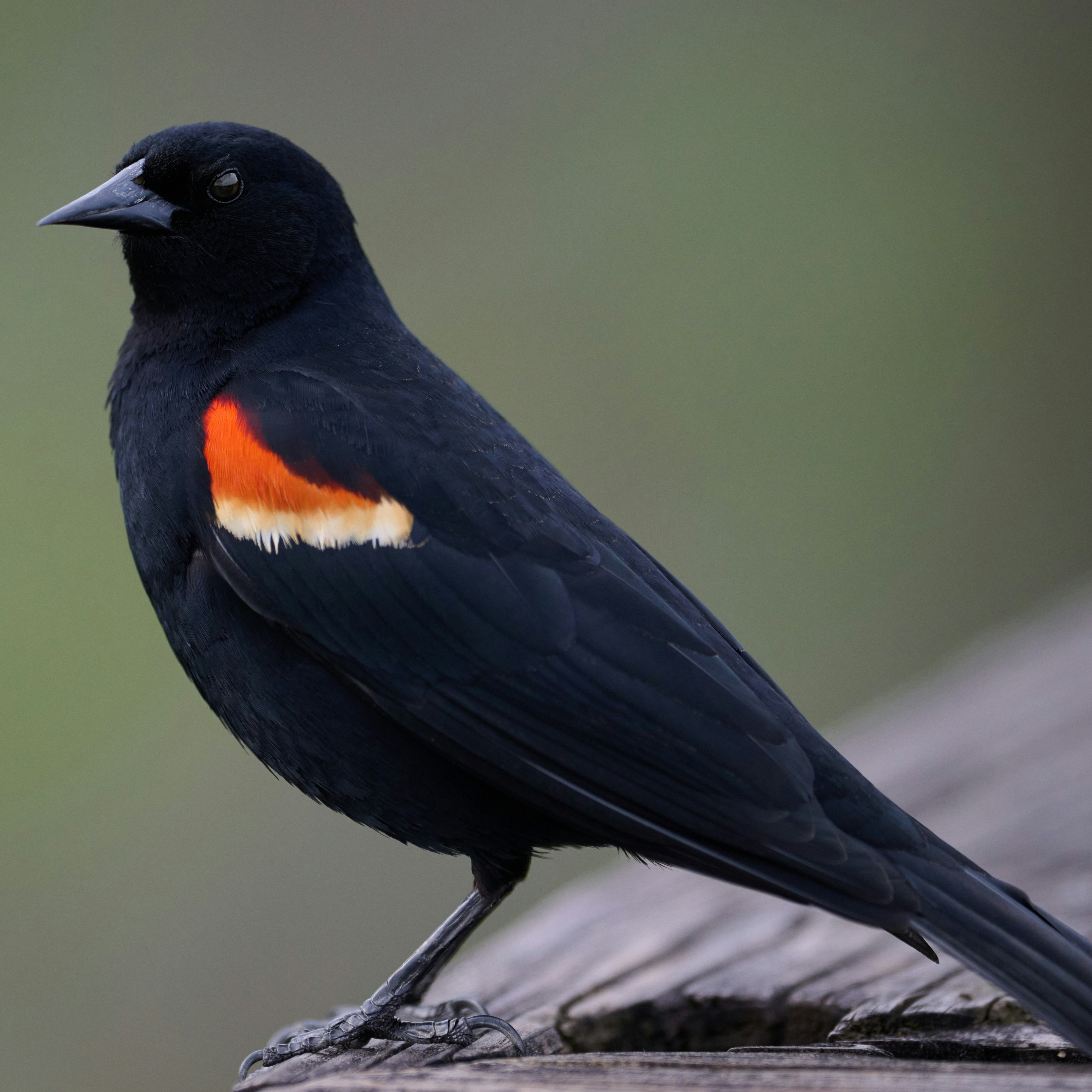
Red-winged Blackbird
Agelaius phoeniceus
Just as their name suggests, males of this species have a bright red spot outlined with yellow at the top of their wings. Females are not black, but brown. However, these birds are larger than most song birds you’ll spot at your feeder. Thus, the brown females should be easily identifiable due to their size.
If you live near water you might spot these birds at your feeders. They’ll enjoy any seed mixture, but prefer a larger feeder to eat from such as a hopper feeder or a platform feeder.
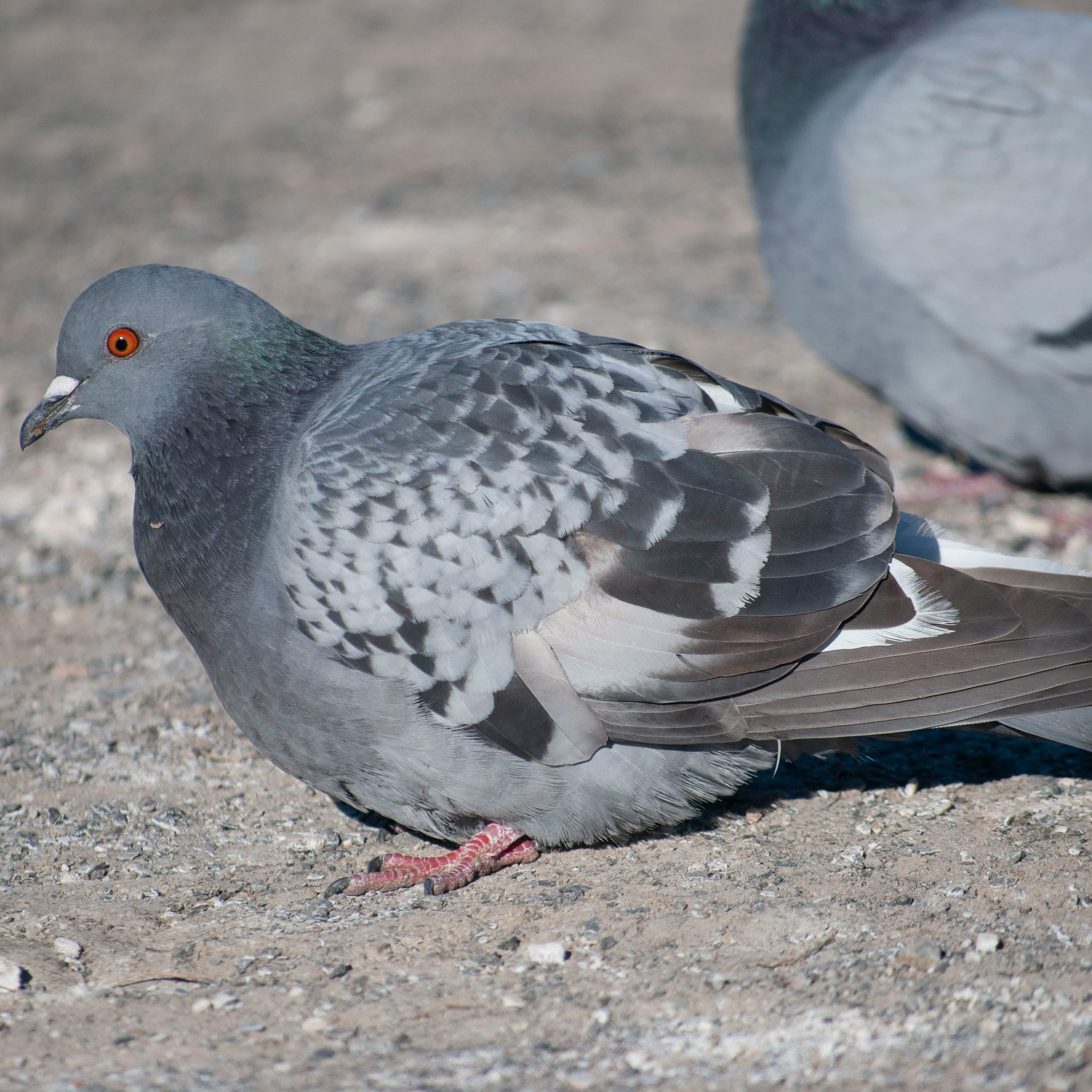
Rock Pigeon
Columba livia
If you live in a more urban area of the city, you’re more likely to spot these birds in your yard. They come in a variety of colors, but often are bluish gray with black bands on their wings. They also have a bright iridescent head.
Pigeons are foragers and prefer to eat from the ground. Therefore, a ground feeder would be best for them. They’ll eat a variety of seeds, corn, and even peas!
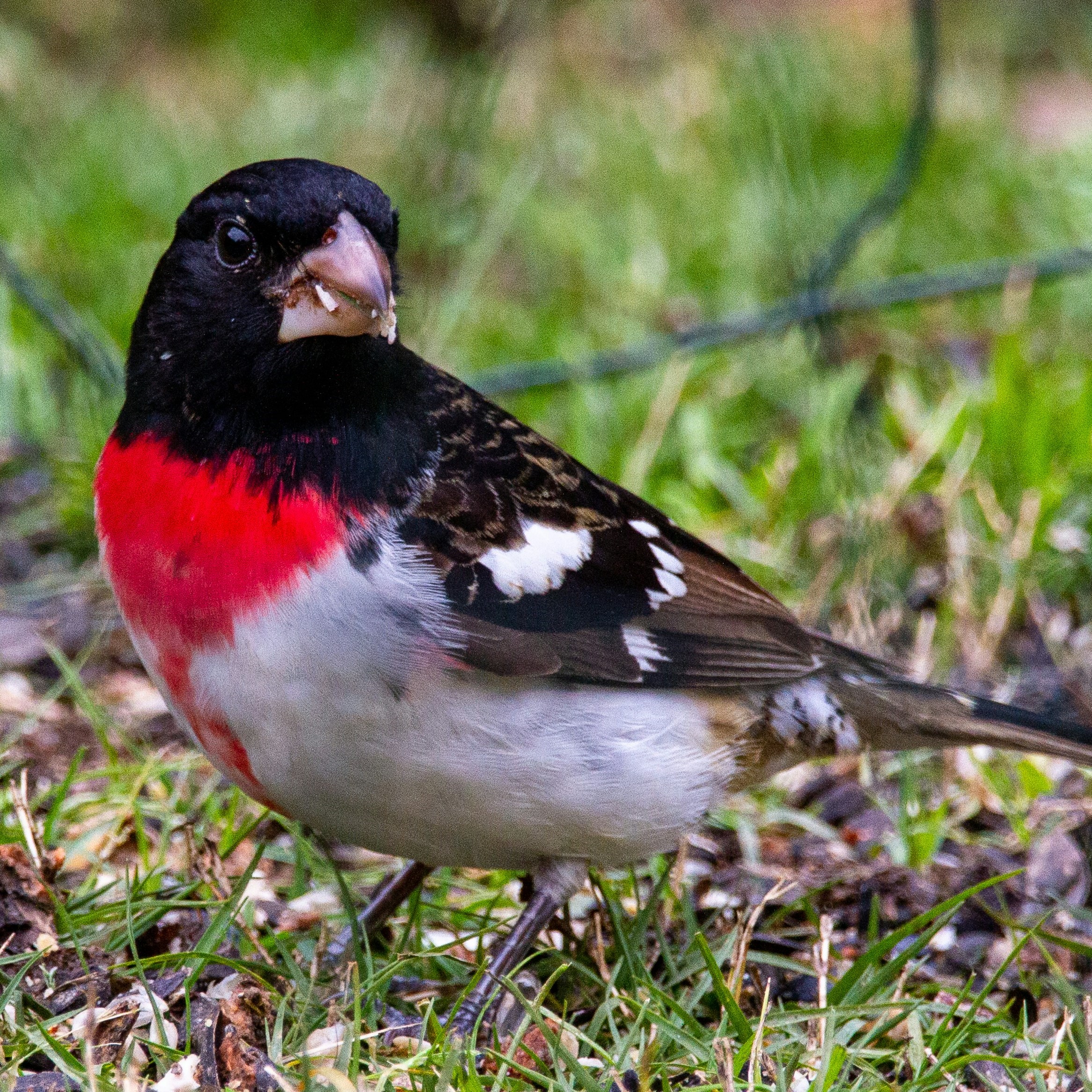
Rose-breasted Grosbeak
Pheucticus ludovicianus
Males are easily identifiable by their black back, white striped wings, and bright red spot on their chest. Females are brown with a tan chest and small dark brown spots. They have a white stripe over their eyes.
You can catch these birds during migration by offering up sunflower seeds and safflower seeds in a hopper feeder.
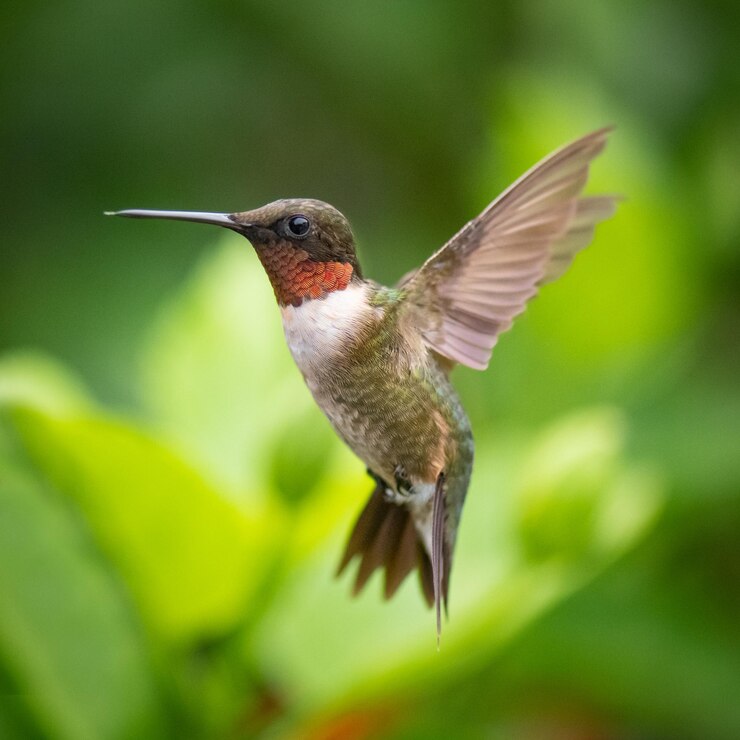
Ruby-throated Hummingbird
Archilochus colubris
The Ruby-throated Hummingbird is the only hummingbird we have in the cities, making identification easy. The hardest part of identifying them will be spotting them due to their tiny size. Males are green with a bright red spot on their chest, whereas females are green without the red spot. Their long beak is used to suck up nectar from plants.
To get a better look at these small birds, set up a nectar feeder filled with one-quarter cup of sugar per cup of water. Make sure to change the water regularly, and daily when the weather is hot. Also, clean these feeders weekly, as they can spread diseases if left dirty.
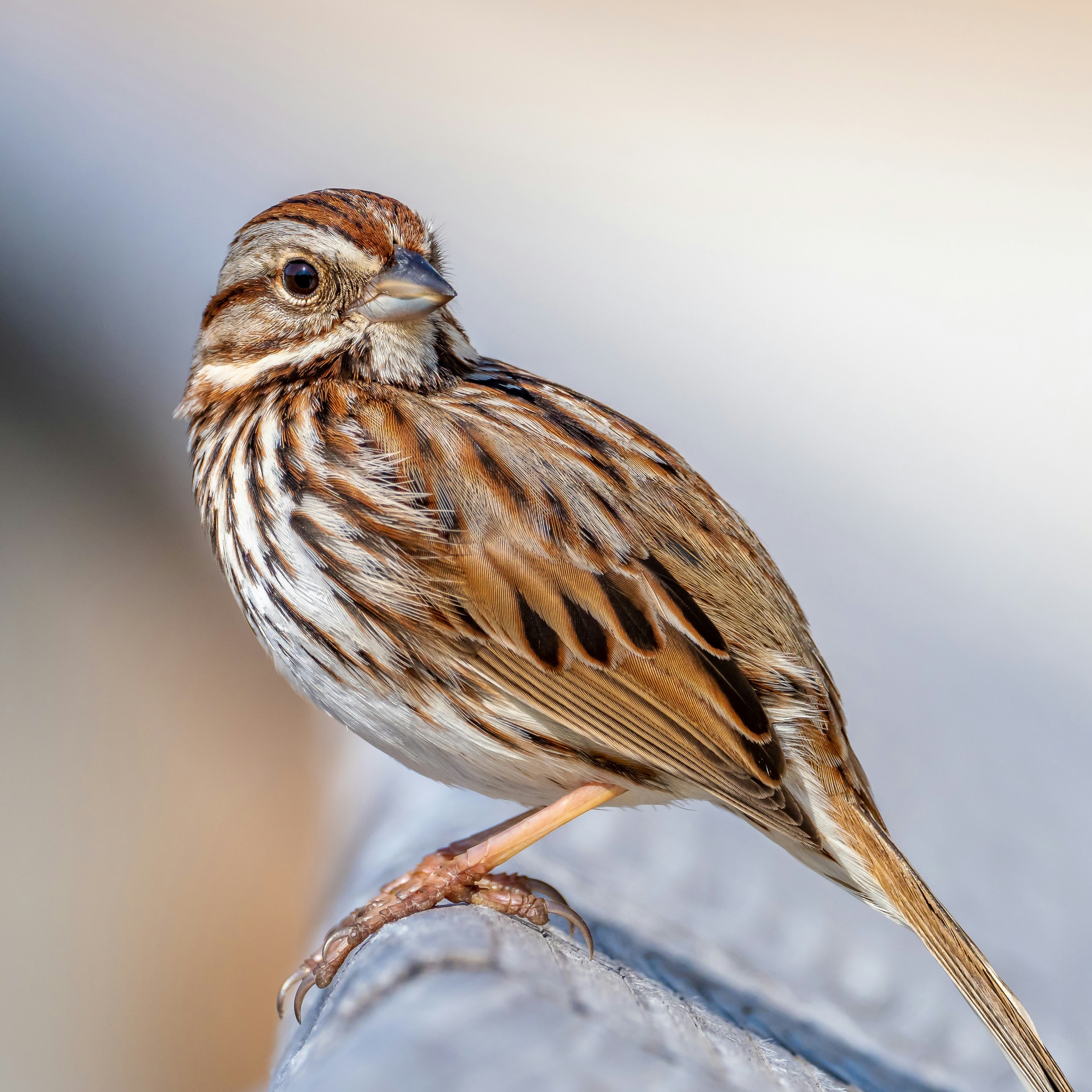
Song Sparrow
Melospiza melodia
These birds are medium sized sparrows with a bulky appearance. They can be harder to identify because they’re brown. Take a close look at their head, which is gray above the eye with a warm chestnut streak behind it.
These birds will eat from just about any feeder, filled with a basic seed mix or nyjer.
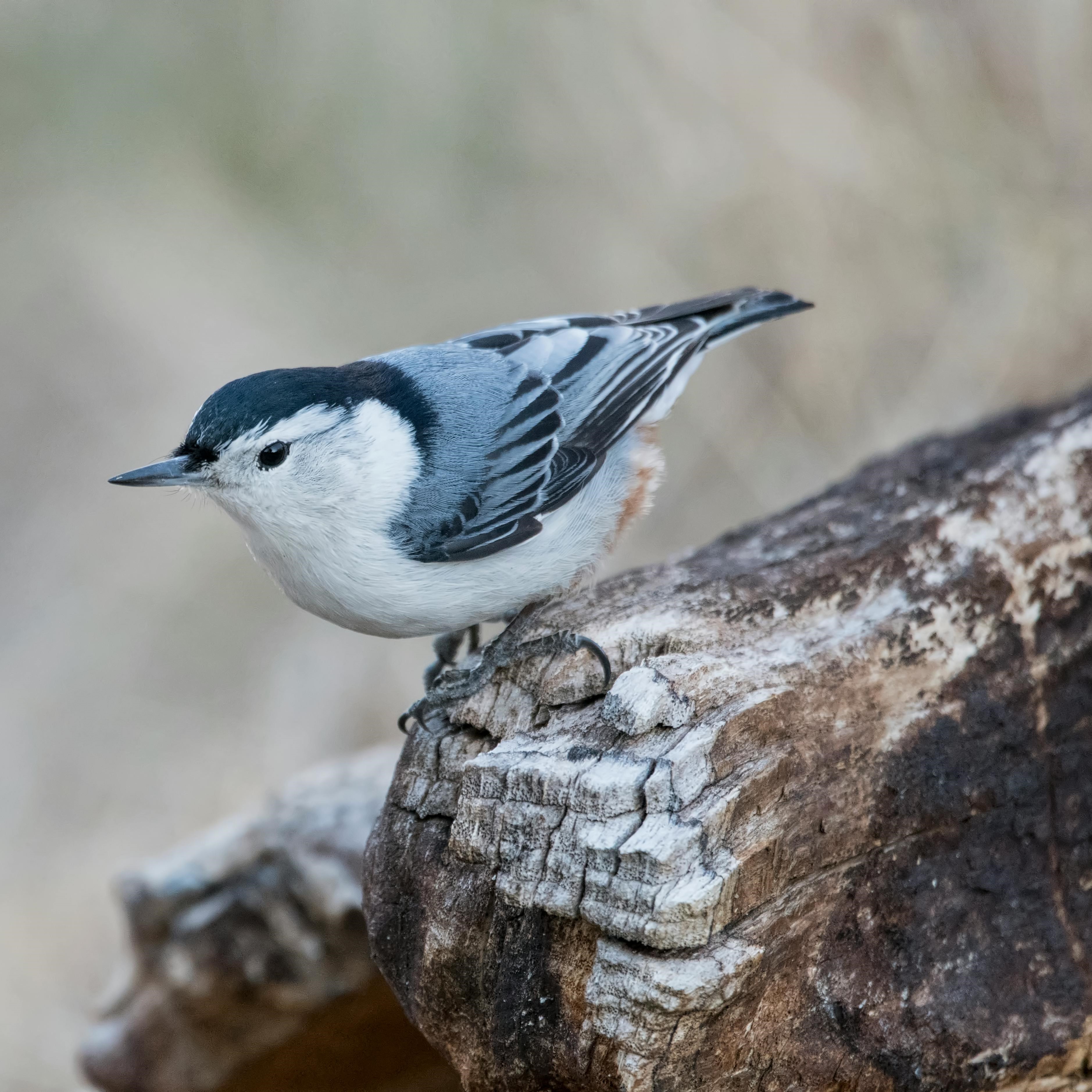
White-breasted Nuthatch
Sitta carolinensis
A common feeder bird, these birds are easily identifiable by their torpedo-esque build. They have a prominent white chest, with a light blue back. The navy spot on their head is unlike any other bird you’ll spot in the Twin Cities. However, don’t confuse them with the Red-breasted Nuthatch, which has a faded red chest and warmer coloring!
These birds will eat from suet cages, hopper feeders, and peanut feeders. Try a suet mix that includes insects!
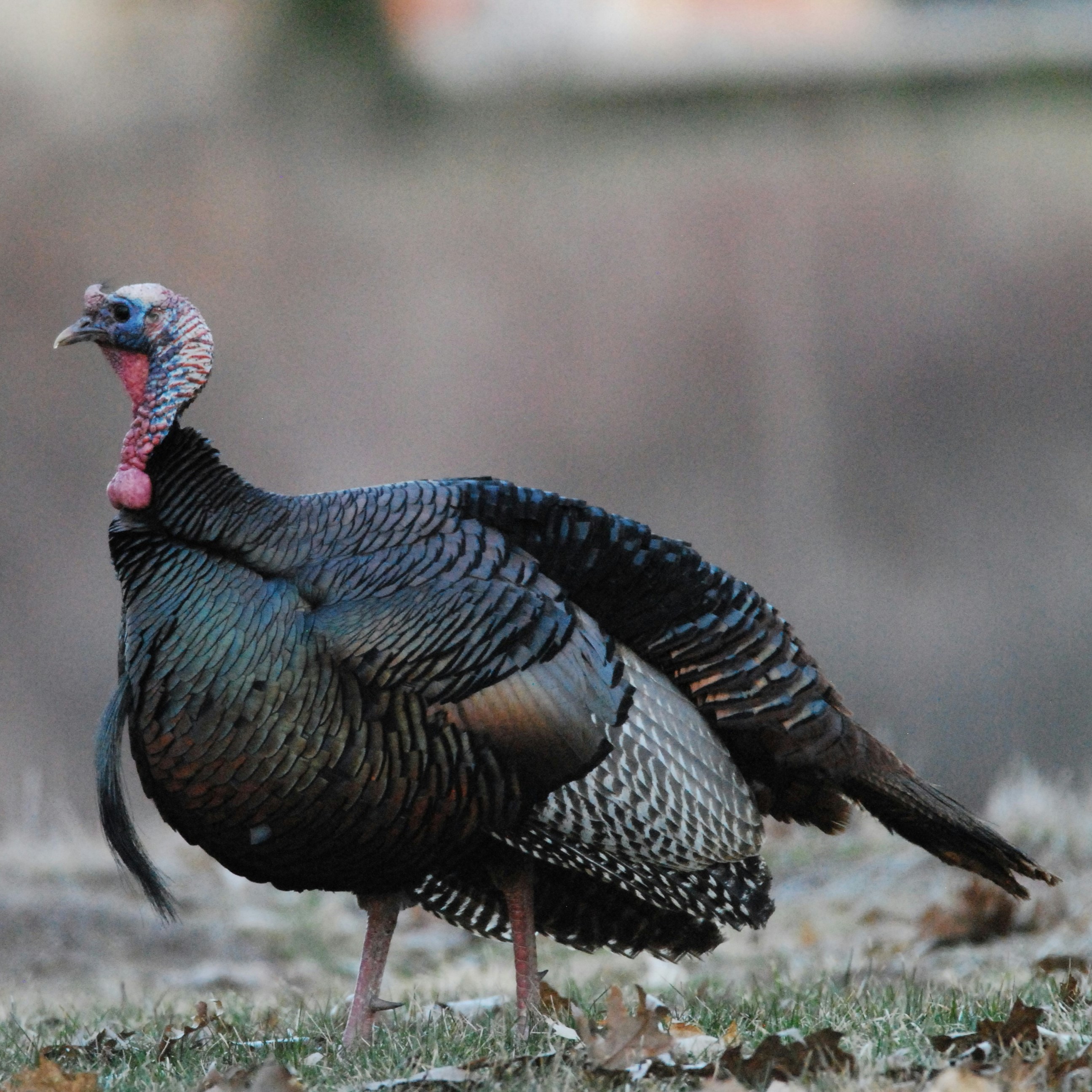
Wild Turkey
Meleagris gallopavo
Don’t be surprised if you have a few Wild Turkeys in your backyard at one point or another, as they roam around the cities as if it were the countryside. These large game birds are easily identifiable by their massive size. Males will be larger with brighter colors, especially around their tails. Females appear leaner and duller in appearance.
You can cater to these birds by sprinkling corn, berries, or birdseed around your lawn. They’ll most likely hang around the base of your feeders, eating the scraps that have fallen to the ground.